
Pakistan’s Strategic Leap: New Disease-Free Zones to Revolutionize Meat Exports
Punjab is reshaping Pakistan’s meat export future by launching 20 disease-free livestock zones backed by Rs 810 million in funding. Designed to eliminate Foot-and-Mouth Disease barriers, the initiative aligns with national export policy, targets premium global markets, and could push meat exports toward the $1 billion mark.
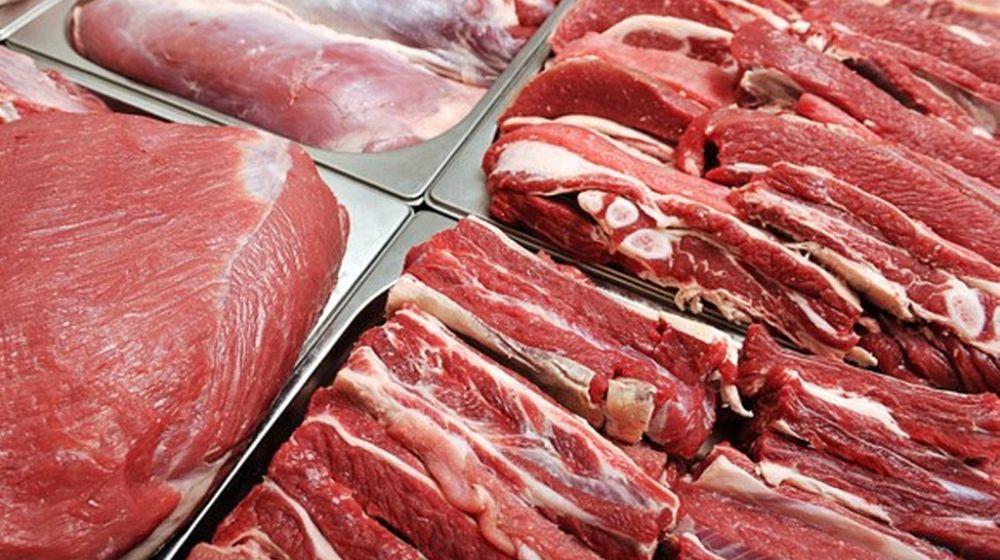
The government of Punjab has launched a decisive initiative to transform the province's livestock sector by establishing special meat export zones. This move addresses the critical sanitary barriers that have long stifled Pakistan's potential in the global meat trade.
Official reports from January 2026 indicate that the provincial administration has allocated approximately Rs 810 million to facilitate the development of these dedicated areas. The project aims to create a network of 20 distinct zones where livestock will be reared free from Foot-and-Mouth Disease (FMD) and other transboundary illnesses. This infrastructure development marks a significant departure from traditional farming methods and signals a shift toward a modern and export-oriented livestock economy.
Dismantling the FMD Barrier
The central challenge facing Pakistan’s meat industry has been the prevalence of Foot-and-Mouth Disease. FMD is a highly contagious viral disease that affects cattle and other cloven-hoofed animals. While it does not pose a direct threat to human health, it devastates livestock productivity and restricts trade. Major international markets including the European Union and advanced East Asian economies maintain strict bans on meat imports from FMD-endemic regions.
According to the Punjab Livestock Department, the new zones will function as bio-secure compartments. These areas will operate under rigorous sanitary protocols that separate export-quality animals from the general livestock population. The strategy involves creating a "safety bubble" where animals are vaccinated, monitored and certified disease-free according to World Organisation for Animal Health (WOAH) standards. Bahawalnagar has been identified as a flagship location for this initiative, where the government has already begun implementing these protocols. By establishing these disease-free zones, Punjab effectively bypasses the country-wide export restrictions and allows specific certified regions to trade directly with high-value markets.
Alignment with National Export Policy
This provincial initiative is not an isolated effort but part of a synchronized national strategy. In December 2025 Prime Minister Shehbaz Sharif approved the National Halal Meat Export Policy. This federal policy provides the legislative and diplomatic framework needed to support the on-ground infrastructure being built in Punjab. The Prime Minister’s directive emphasizes a three-year roadmap to modernize the entire supply chain, from feedlots to cold storage facilities.
The synergy between the federal policy and Punjab’s zoning project is critical. While the provincial government focuses on animal health and biosecurity, the federal government is tasked with securing international certifications and opening trade corridors. The policy also includes fiscal incentives for the private sector to invest in modern slaughterhouses and processing units within these new zones. This coordinated approach aims to integrate Pakistan’s livestock sector into the global value chain and reduce the country's reliance on low-margin textile exports.
Surging Demand and Market Potential
The economic imperative for these zones is underscored by recent export data. Pakistan’s meat sector has shown remarkable resilience and growth potential. For the fiscal year ending June 2025 the country’s meat exports stood at approximately $512 million. However, recent trends suggest a much steeper growth trajectory is possible if sanitary barriers are removed.
Data from the first half of the 2025-2026 fiscal year reveals a massive surge in demand from China. According to trade statistics Pakistani meat exports to China increased by 239 percent in late 2025 compared to the previous year. This spike was driven largely by boiled and heat-treated beef products which are safer to import than raw meat. Pakistan has now emerged as a leading supplier of boiled beef to the Chinese market. The establishment of FMD-free zones will allow exporters to upgrade from selling processed, heat-treated meat to selling premium fresh and chilled cuts. Fresh meat commands a significantly higher price per ton and opens doors to the lucrative food service and retail sectors in Beijing and Shanghai.
Strategic Economic Impact
The implementation of these 20 zones is expected to generate substantial economic dividends. The primary benefit is the potential doubling of export revenue. Industry experts project that with FMD-free certification Pakistan could increase its meat exports to $1 billion within the next few years. This would be achieved not only by increasing volume but by accessing markets that pay a premium for certified safe food.
Furthermore the initiative supports the domestic rural economy. The allocation of Rs 810 million includes provisions for veterinary support and subsidized vaccinations for farmers operating within the zones. This improves the overall health of the herd and reduces mortality rates which directly increases the profitability of small and medium-scale farmers. The project also encourages the adoption of modern feedlot fattening practices which produce higher quality meat compared to traditional grazing.
Challenges and Execution
While the roadmap is clear the success of these zones depends on strict enforcement. The concept of a "compartment" requires absolute biosecurity discipline. A single lapse in quarantine protocols can compromise the disease-free status of the entire zone. The Punjab government has recruited specialized veterinary officers to monitor these zones and ensure compliance with international protocols. The government is also partnering with private sector investors to manage the commercial operations of these zones to ensure they remain financially viable.
The launch of these FMD-free zones represents a pivotal moment for Pakistan’s agriculture sector. By moving from a general livestock population to specialized, disease-free compartments Punjab is adopting the same model that allowed countries like Brazil and India to become global meat export giants. With the PC-I approved and funding allocated the focus has now shifted to rapid implementation. If successful this project will not only secure a larger share of the multi-billion dollar global halal meat market but also establish a new standard for agricultural excellence in Pakistan.