
Pakistani Muslims Make History as Cambridge Mayor and Deputy Mayor
Pakistani Muslims Sumbul Siddiqui and Burhan Azeem make history as Cambridge’s Mayor and Deputy Mayor, highlighting representation and diversity in U.S. local leadership.
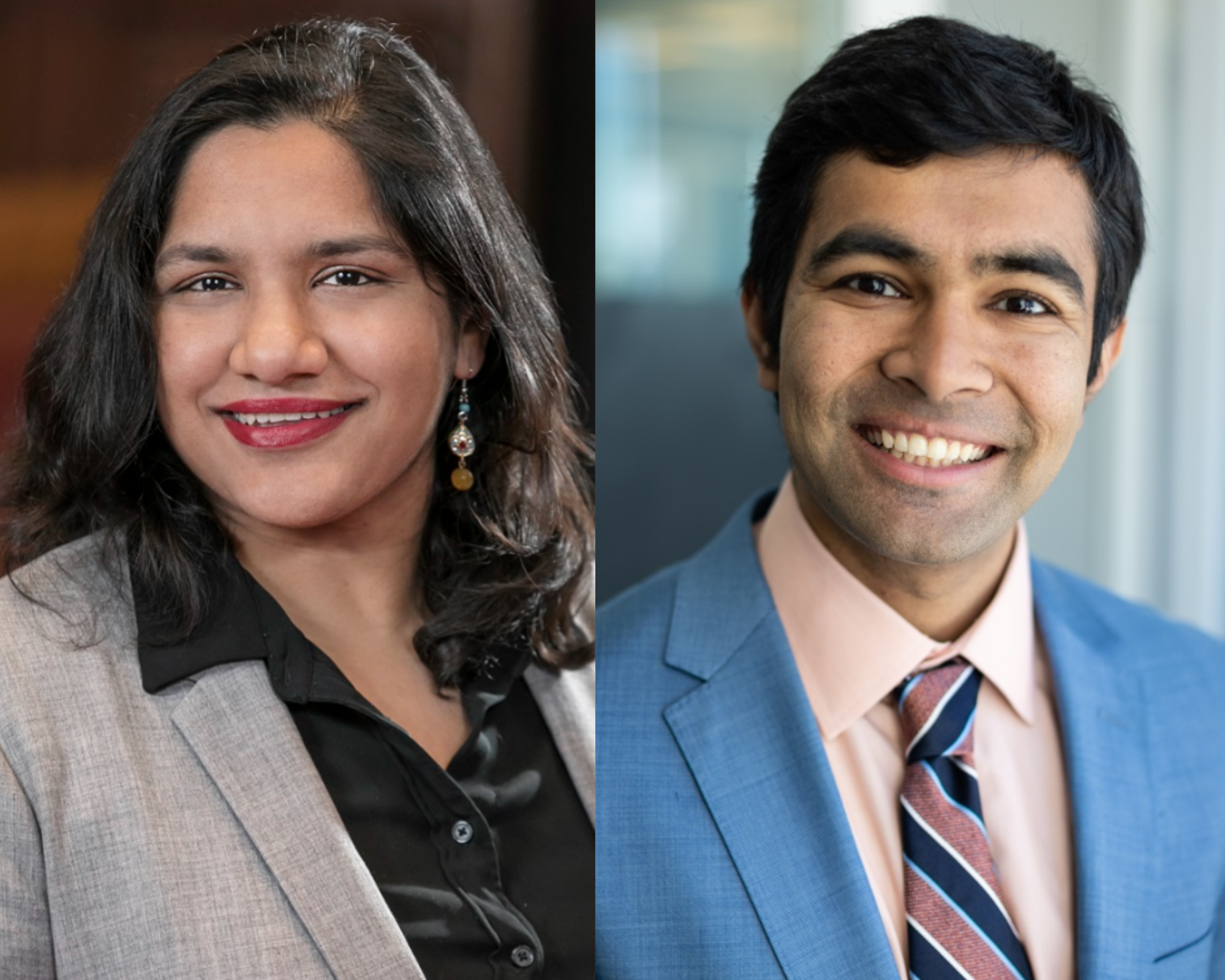
In a milestone moment for immigrant representation in American local politics, two Pakistani‑American Muslims, Sumbul Siddiqui and Burhan Azeem, have been elected Mayor and Deputy Mayor of Cambridge, Massachusetts, marking one of the most significant achievements in the city’s political history.
Cambridge, home to prestigious universities like Harvard and MIT, plays a vital role in shaping intellectually and socially progressive leadership in the United States. Its political structure is unique: the City Council is elected at large by voters, and the council then chooses the mayor and vice mayor from among its members, rather than by a direct public vote. In this system, leadership reflects a consensus of elected councilors rather than a simple popular majority.
Sumbul Siddiqui: A Third Term as Mayor
On January 5, 2026, Sumbul Siddiqui, a lawyer and seasoned public servant, was elected by her fellow council members to serve as Mayor of Cambridge for the 2026–27 term.
Born in Karachi, Pakistan, Siddiqui emigrated to the United States with her family at a young age. She holds degrees from Brown University and Northwestern University School of Law and has built a notable career in law and social activism.
Siddiqui was first elected to the Cambridge City Council in 2017 and re-elected in 2019 and 2021. She has become a prominent voice for inclusive city policy and community engagement. Her peers previously selected her as mayor in 2020–21 and 2022–23, and her 2026 election marks her third term in the role.
Her election is historic for several reasons:
- She is the first Muslim mayor of Cambridge.
- She is the first Asian woman to serve as mayor in the city’s history.
- Her leadership reflects the growing visibility of South Asian Americans and Muslim Americans in political office across the U.S.
During her previous terms, Siddiqui demonstrated an emphasis on community inclusion, housing affordability, racial equity, and community unity. During her previous terms, Siddiqui played an active role in affordable housing discussions and supported diverse local initiatives, reflecting her long‑standing commitment to all residents of Cambridge.
Burhan Azeem: Youngest Deputy Mayor in History
Joining Siddiqui in executive leadership is Burhan Azeem, who was elected Deputy Mayor of Cambridge on January 5, 2026.
Azeem, originally from Burewala, Punjab, Pakistan, has quickly risen through Cambridge’s political ranks. He is an engineer, educated at the Massachusetts Institute of Technology (MIT) in Boston, and brings technical expertise and a vision for community engagement to his public service.
Before becoming deputy mayor, Azeem was already recognized locally as the youngest city councilor in Cambridge’s history, an indication of both community trust in his leadership and his strong grassroots appeal.
With his re‑election to the council and subsequent selection as deputy mayor, Azeem now holds another record: youngest deputy mayor in the city’s history.
A Historic Win with Broad Significance
The election of Sumbul Siddiqui and Burhan Azeem is more than a local political update, it represents a broader shift in American public life. Their leadership resonates for several reasons:
1. Representation and Diversity
Their success signals increased political participation by Pakistani‑Americans, Muslim Americans, and South Asian Americans. Representation matters in a democracy, and seeing leaders from diverse backgrounds in political roles resonates with immigrant communities nationwide.
While Massachusetts and its cities have long been diverse, the election of Sumbul Siddiqui and Burhan Azeem reflects a growing inclusivity in political leadership that transcends traditional demographic boundaries.
2. Youth and Innovation
Azeem’s election as the youngest deputy mayor shows a trend toward integrating younger voices into policymaking. Younger leaders often bring fresh ideas about technology, housing, sustainability, and community planning, topics that matter deeply in urban centers like Cambridge.
3. Community Engagement and Inclusion
Both leaders have demonstrated strong involvement in local issues, from housing and education to community welfare and public engagement. Their combined backgrounds, Siddiqui’s legal and public service experience, combined with Azeem’s technical background and community leadership, promise a governance style rooted in inclusion and practical problem-solving.
What This Means for Cambridge
Cambridge operates under a local government system in which the mayor presides over the city council and represents the city at public events, while an appointed city manager handles day-to-day operations.
Within this system, Siddiqui and Azeem play a key role in guiding council discussions and highlighting the issues that matter most to Cambridge residents. Their leadership can help direct attention toward areas such as affordable housing, public transportation safety, community programs, and inclusive local governance, issues that continue to shape everyday life in the city.
The election of Pakistani Muslims is an achievement not only for the city of Cambridge but also for the wider narrative of American democracy. Their ascent to leadership roles reflects an evolving, more inclusive civic landscape, one that embraces diversity of background, thought, and experience. As they take office for the 2026–27 term, their leadership adds to broader discussions about representation and diversity in local government across the United States.