Life in the Middle East: What Expats Need to Know
A balanced look at the benefits and challenges of living in GCC countries, from tax-free income and career growth to climate, costs, and cultural adjustments.
Living in the GCC, which includes countries like United Arab Emirates, Saudi Arabia, Qatar, Kuwait, Oman, and Bahrain, has long attracted expatriates from around the world. The region is known for economic opportunity, tax-free income, modern infrastructure, and large expatriate populations. However, experiences can vary depending on the country, job sector, and individual expectations.
Economic Opportunities and Tax Benefits
One of the most frequently cited advantages of living in Gulf countries is the potential for higher net income due to tax-free salaries. Nations such as the United Arab Emirates, Kuwait, and Qatar do not levy personal income tax, allowing expatriates to retain more of their earnings compared with many Western countries. In Kuwait, for example, tax-free income enables expatriates to save a larger portion of their earnings and invest in long-term goals. Similarly, Qatar continues to offer high salaries combined with no personal income tax, making net earnings attractive even after accounting for living costs.
Strong job markets in sectors such as oil and gas, construction, healthcare, finance, and technology further contribute to employment opportunities for foreign workers across the region. Kuwait’s oil-rich economy, for instance, supports demand for skilled professionals in industries including engineering and finance.
Quality of Life and the Expat Environment
Many Gulf countries have invested heavily in modern infrastructure, healthcare systems, and education, supporting residents’ day-to-day lives. The UAE and Qatar consistently rank highly in expatriate quality-of-life surveys due to living standards, salary levels, and access to services. Safety and security are also commonly highlighted as regional strengths. Surveys frequently show that GCC countries, particularly the UAE, are perceived as safe places to live, with low crime rates contributing to stability and peace of mind.
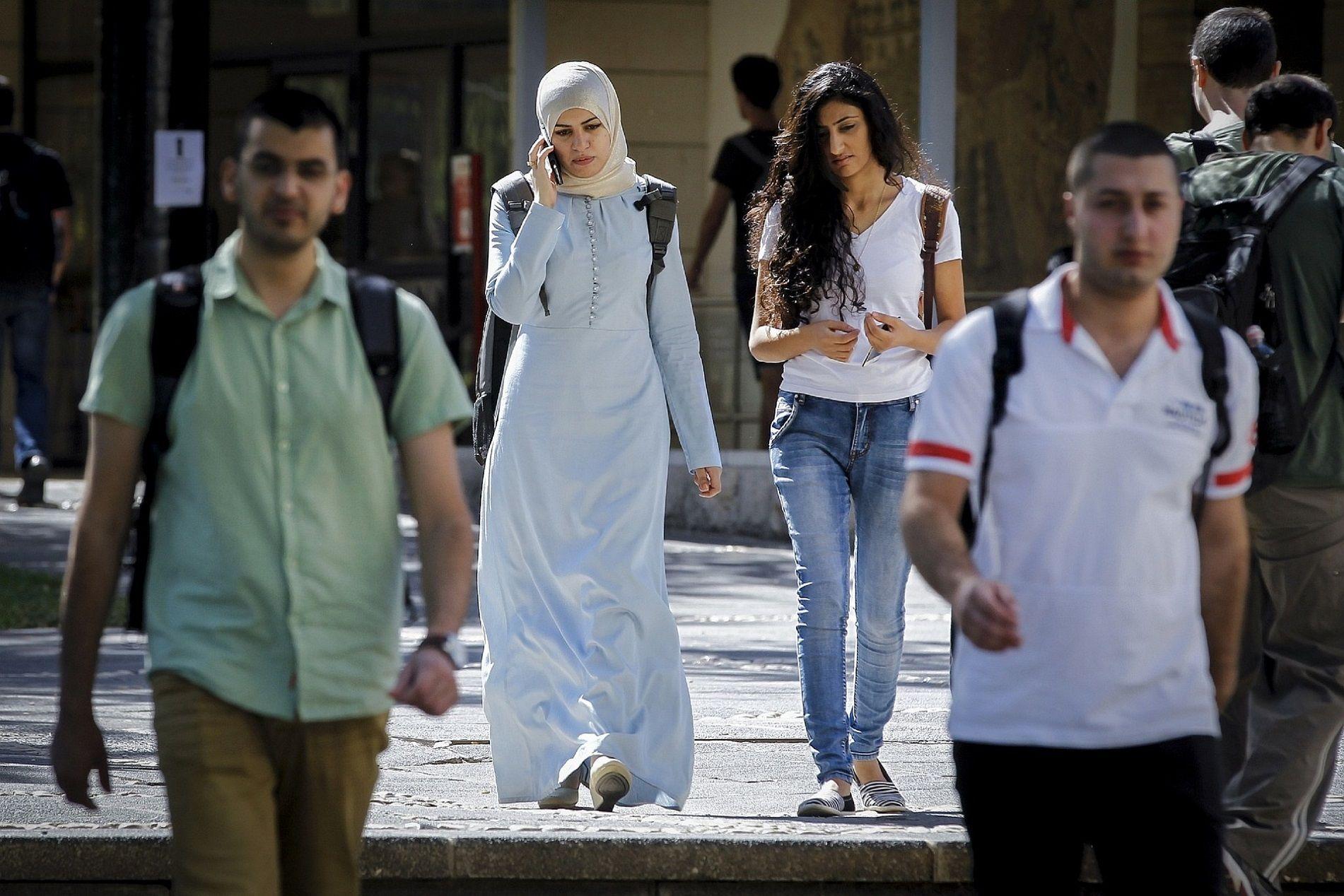
The region’s diverse expatriate populations, especially in countries like the UAE and Kuwait, where foreign residents make up a large share of the population, create multicultural environments. These settings often make it easier for newcomers to establish social networks and professional connections.
Public Services and Infrastructure
Major cities across the Gulf feature advanced transport networks, large shopping centers, and a wide range of consumer services. Public transportation expansions in cities such as Doha and Dubai have improved commuting efficiency, while smart city initiatives continue to enhance daily living. Healthcare systems across the GCC offer both public and private options, and the presence of international schools and global healthcare providers provides families with access to familiar standards of education and medical care.
Social and Cultural Diversity
Expatriate communities in the Gulf are among the most internationally diverse in the world. In Kuwait, for example, residents from Asia, Europe, Africa, and the wider Arab region form a significant portion of the population. The widespread use of English helps facilitate communication and integration for many foreign residents.
Cultural norms and social expectations, however, may differ from those in more Western societies. Traditional dress codes, behavioral standards, alcohol regulations, and other cultural practices can require an adjustment period for newcomers as they adapt to local customs.
Common Situations While Living in the Gulf
Long Term Residency Options
Most Gulf countries traditionally rely on work-based visa systems that link residency status to employment. While recent reforms, such as long-term visas and investment-based residency options in countries like the UAE, have expanded flexibility, permanent citizenship remains limited for non-nationals. This can influence long-term planning for expatriates seeking lasting settlement.
Extreme Climate Conditions
The Gulf region is characterized by an arid desert climate, with summer temperatures frequently exceeding 45°C (113°F). These conditions can restrict outdoor activities for several months each year and shape lifestyle choices. Extended periods of heat often shift daily life toward air-conditioned environments, influencing routines and recreational habits.
Social and Legal Norms
If you are relocating from a Western country to the UAE, you may need to remember that Gulf countries maintain social norms and legal frameworks that differ from Western standards. Regulations related to public behavior, dress codes, alcohol consumption, and public expression may require adjustment. Workplace structures in some countries can also reflect certain rules and hierarchies, which need to be attended to.
Visa and Employment Dependencies
Employment-linked visa systems can limit flexibility when changing jobs, as new sponsorship is typically required. This can affect job mobility and long-term career planning. In some sectors, expatriates may also encounter administrative procedures or workplace practices shaped by local cultural expectations.
Country-Specific Observations
United Arab Emirates
The UAE frequently ranks highly in expatriate quality-of-life assessments, combining modern amenities with strong safety standards. Job-based visa structures remain common, though long-term residency options have expanded in recent years.
Qatar
In Qatar, expatriates benefit from high living standards, tax-free salaries, and growing public services alongside a strong cultural identity and ongoing infrastructure development. Housing and living costs, however, can form a notable portion of household budgets.
Kuwait
Kuwait offers tax-free income, employment opportunities in key sectors, and a safe living environment. Cultural norms are more conservative, which can influence lifestyle and entertainment options for residents.
What to Consider Before Relocating to the Gulf
Living in the Gulf countries offers a combination of advantages and considerations. Tax-free income, strong job markets, modern infrastructure, and safety continue to attract expatriates from around the world. At the same time, factors such as cost of living, visa structures, cultural norms, climate conditions, and long-term residency options play an important role in shaping the experience.
Prospective residents typically evaluate these elements based on personal priorities, career goals, and lifestyle preferences when deciding whether life in the Gulf aligns with their long-term plans.