Pakistani Designers Loved by Royals, Bollywood & Hollywood Celebrities
Pakistani designers are turning heads worldwide, with their creations worn by royals, Bollywood stars, and Hollywood icons alike.
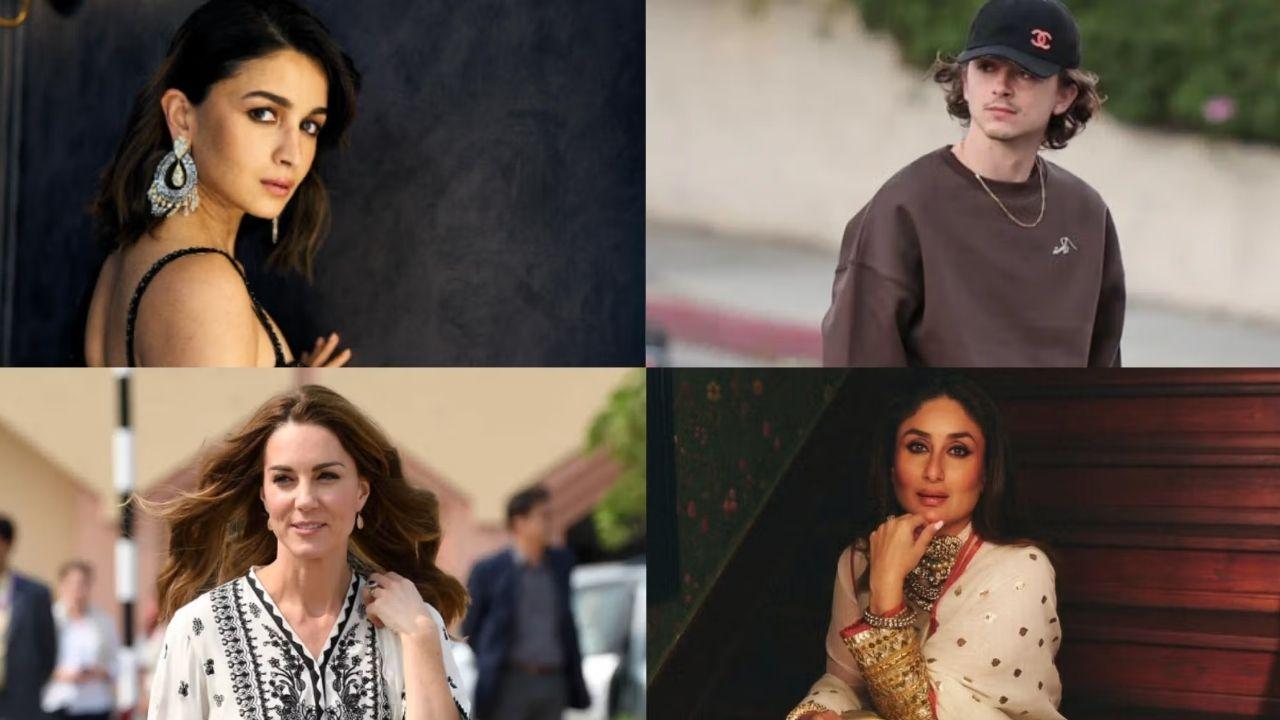
For decades, Pakistani fashion lived largely within its own borders, admired locally, respected regionally, but rarely acknowledged on the global stage. Today, that narrative has changed dramatically. From British royalty and Grammy winners to Hollywood actors and global pop stars, Pakistani designers are increasingly finding their way into international wardrobes. This global embrace did not happen overnight; it began with diplomacy, evolved through cultural exchange, and today thrives through celebrity stylists and global fashion conversations.
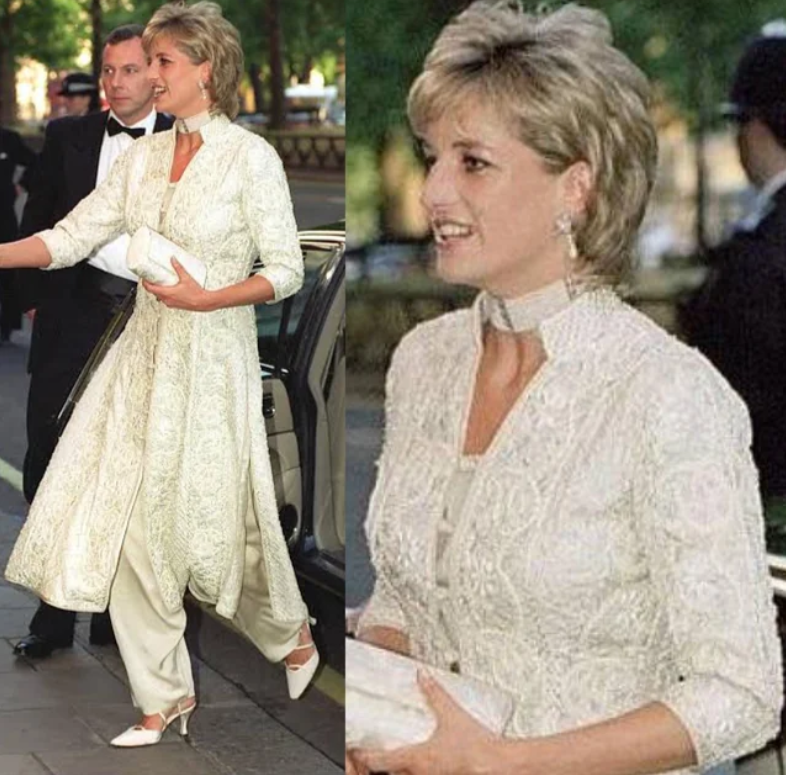
Where It All Began: Princess Diana and Rizwan Beyg
The story of Pakistani fashion’s global visibility often traces back to Princess Diana, who wore designs by Rizwan Beyg during her visits to Pakistan in the 1990s. Diana’s sartorial choices, modest yet elegant shalwar kameez looks, were widely photographed, showcasing her grace and regal charm. At the time, this was unprecedented: a princess whose poise and style captivated the world wearing Pakistani clothing on an international platform. Her wardrobe became a subtle form of cultural diplomacy, setting the tone for decades to come and proving that Pakistani craftsmanship could resonate far beyond its borders.
Faraz Manan: Pakistan’s Most Cross-Border Designer
If one designer has consistently bridged Pakistan and Bollywood, it is Faraz Manan. His luxury pret and couture have been worn by an impressive roster of Indian celebrities, including Kareena Kapoor Khan, Alia Bhatt, Deepika Padukone, Kiara Advani, Janhvi Kapoor, Sara Ali Khan, Tara Sutaria, Arjun Kapoor, Ranbir Kapoor, and Karan Johar.
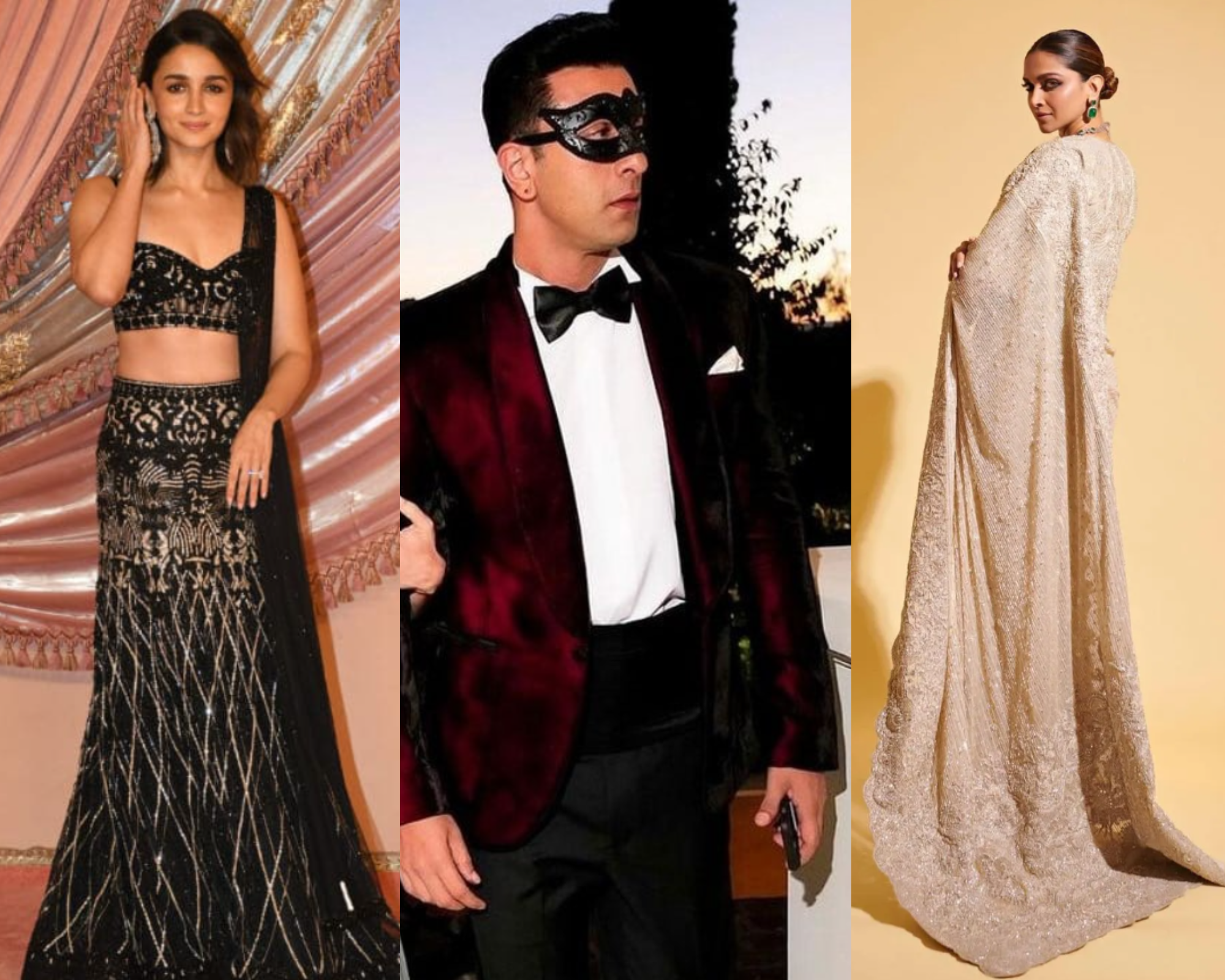
Faraz Manan’s international appeal extends further with Priyanka Chopra, who has worn his designs multiple times, helping enhance his reputation as a designer trusted by global stylists. His work is often associated with understated glamour, elegant silhouettes, neutral palettes, and timeless designs making it easy to style across borders.
Rastah: Streetwear, But Make It Global

If Faraz Manan represents diplomacy through couture, Rastah represents disruption through streetwear. Founded by Zain Ahmad, Rastah became the first Pakistani brand to consistently appear on global celebrities, not through red carpets, but through everyday style moments that went viral.
Among those who have worn Rastah:
- Justin Bieber
- Zayn Malik
- Timothée Chalamet
- Riz Ahmed
- Barry Keoghan
- French Montana
- Diljit Dosanjh
- Anil Kapoor
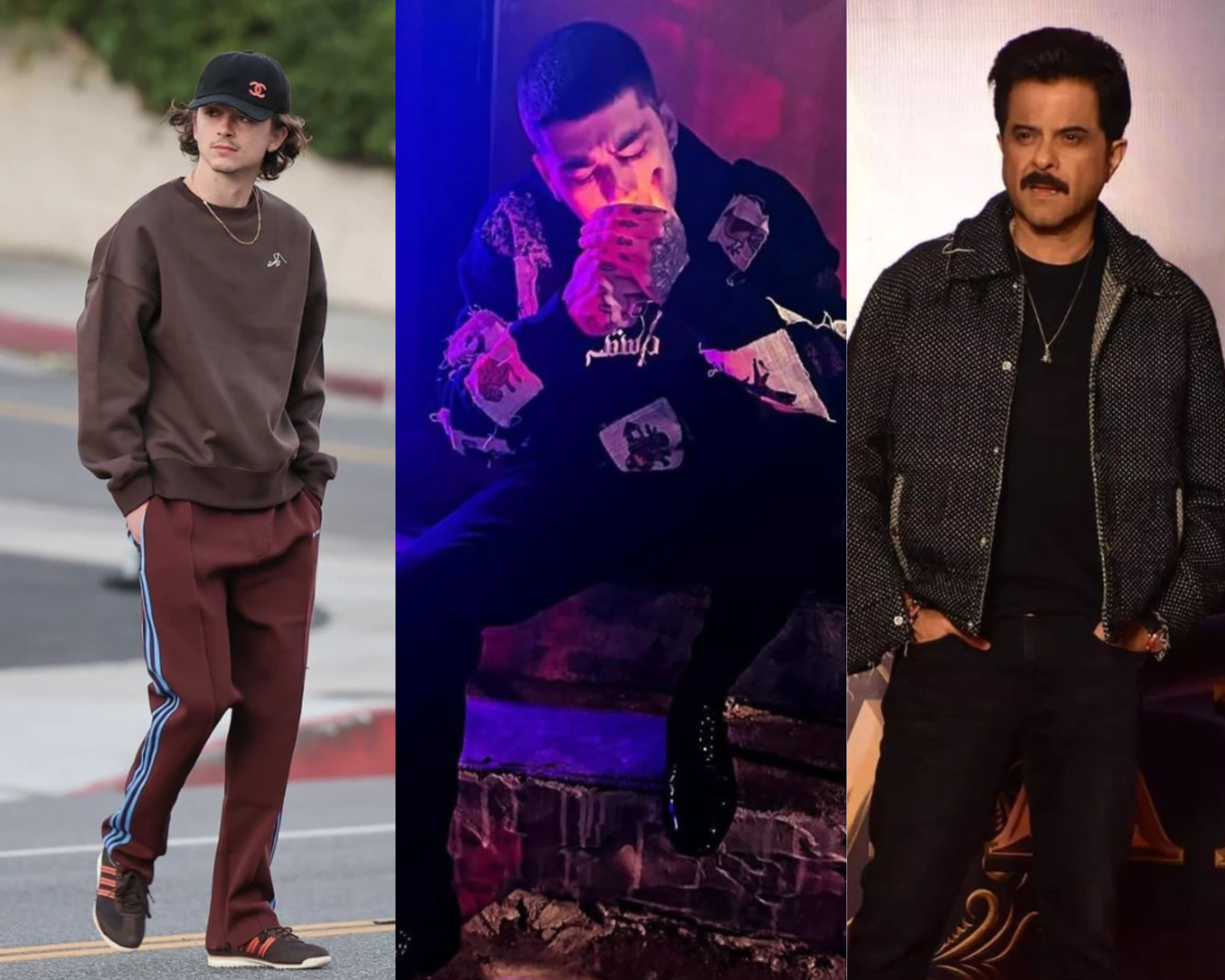
These sightings, often organic and stylist-driven, marked a turning point. Rastah proved Pakistani fashion did not need to conform to traditional silhouettes to be global. It could be bold, political, and proudly South Asian while competing in the international streetwear space.
Hussain Rehar and Jugnu: Craft Meets Contemporary Cool
Hussain Rehar occupies a unique space in Pakistani fashion, theatrical, gender-fluid, and unapologetically artistic. His work reached a major international milestone when Arooj Aftab, Pakistan’s Grammy-winning musician, wore his design at the Grammys.
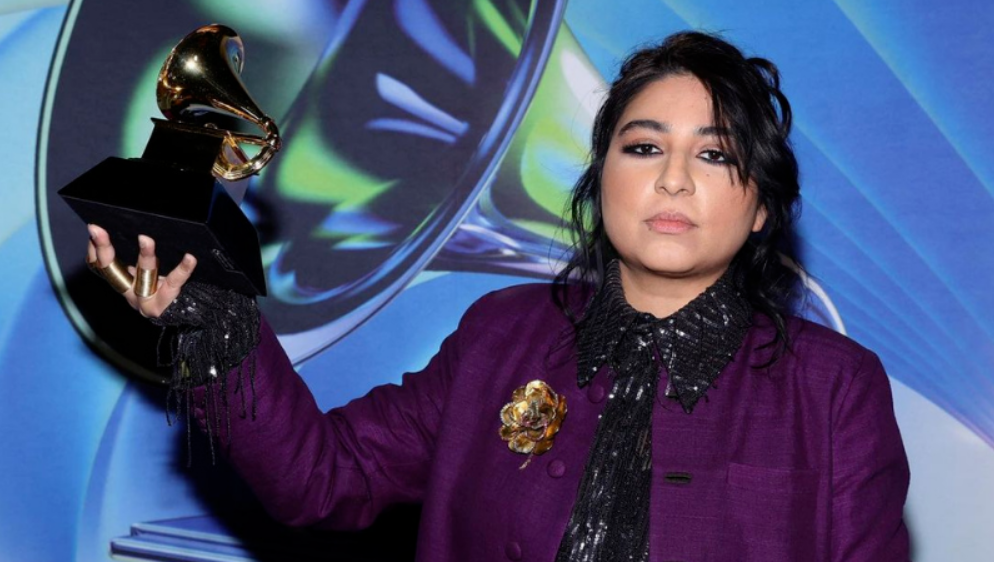
Meanwhile, Jugnu by Hussain Rehar, his ready-to-wear line, found visibility across the border when Sonam Kapoor was spotted wearing a Jugnu outfit, an example of how Pakistani pret has quietly entered Bollywood wardrobes, even when political tensions complicate cultural exchange.
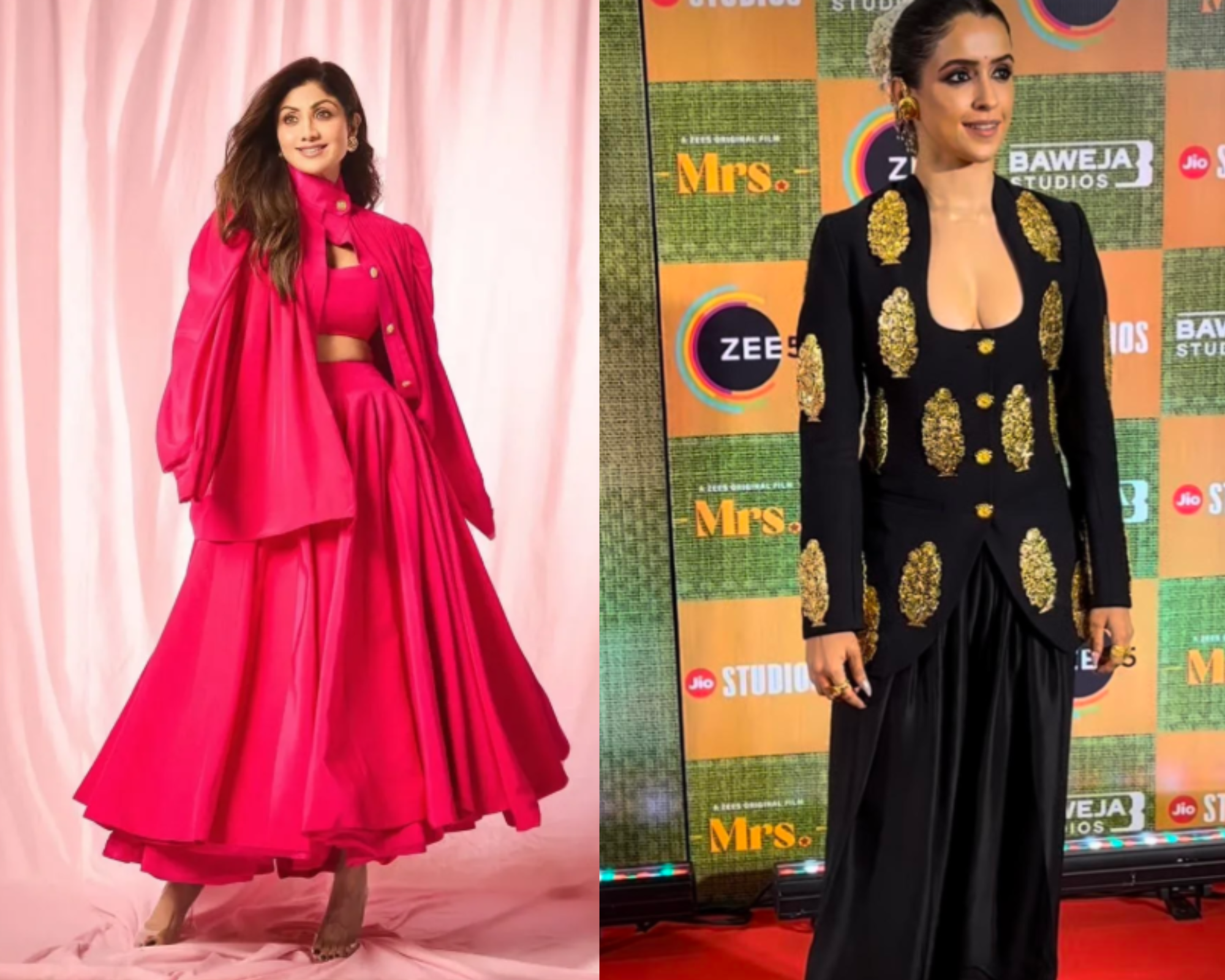
Hussain Rehar’s other line, Jeevan, has also dressed Indian celebrities including Shilpa Shetty and Sanya Malhotra, further underlining his cross-border relevance.
Mohsin Naveed Ranjha: Heritage Goes Global
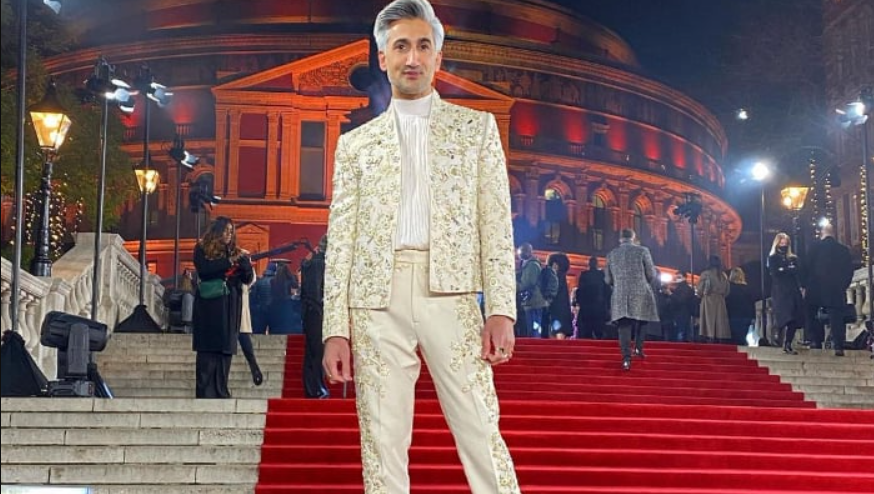
Few designers have championed South Asian heritage as unapologetically as Mohsin Naveed Ranjha (MNR). His biggest international moment came when Tan France, fashion expert and star of Queer Eye, wore MNR designs and publicly praised Pakistani craftsmanship.
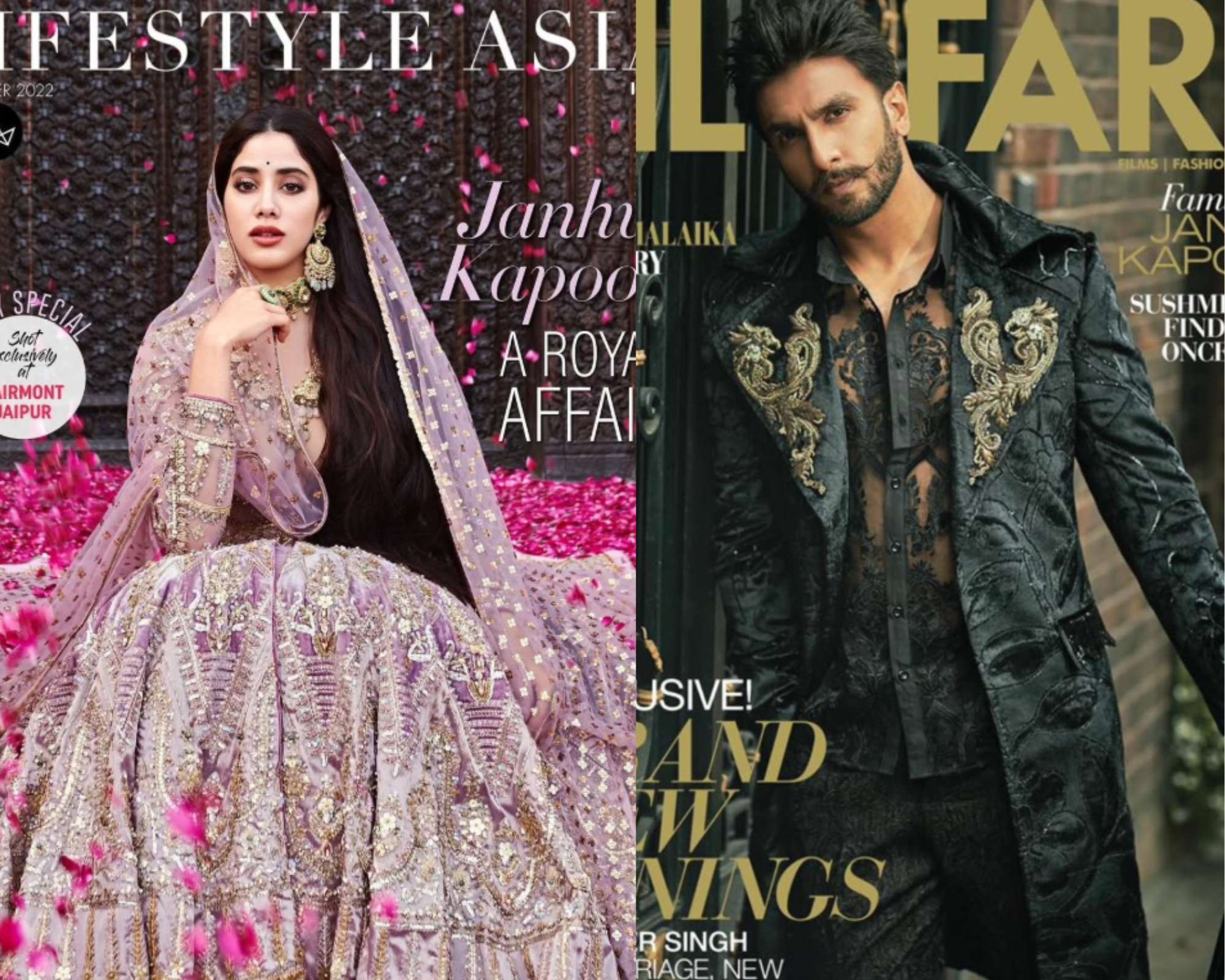
Across the border, MNR has dressed Ranveer Singh, Janhvi Kapoor, and Sara Ali Khan, often for editorial shoots rather than red carpets, a strategic placement that positions Pakistani fashion as high-concept rather than trend-driven.
Nia Mia: Quiet Luxury in Everyday Fashion
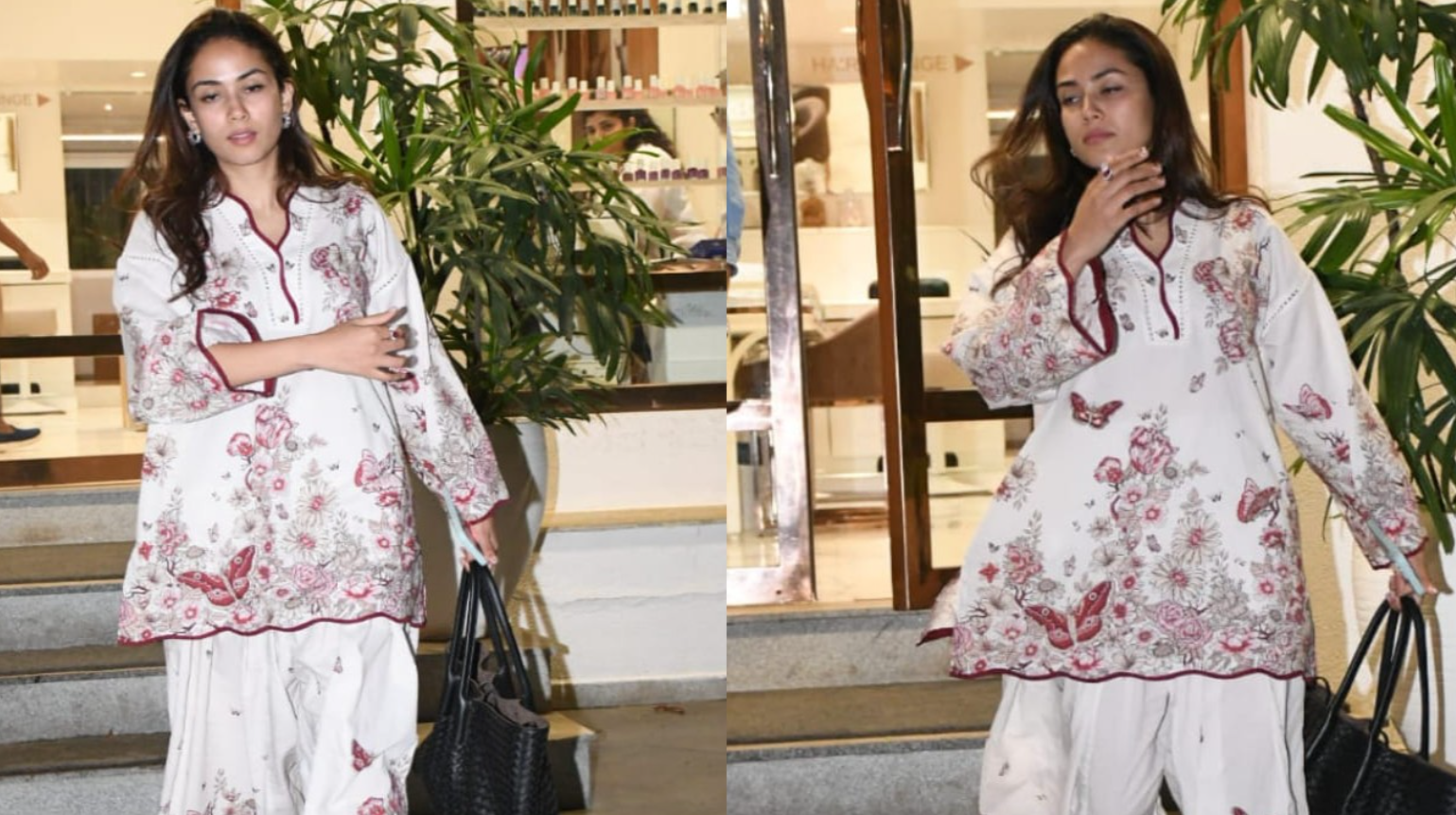
Unlike couture-driven brands, Nia Mia represents Pakistan’s growing pret-wear influence. The brand gained attention when Mira Rajput Kapoor was spotted wearing a Nia Mia co-ord set during a casual outing. Covered by Indian fashion media, the sighting highlighted how Pakistani everyday fashion, not just bridal or formal wear, is finding its way into international celebrity wardrobes.
Iqbal Hussain: Art, Craft, and Bollywood Appeal
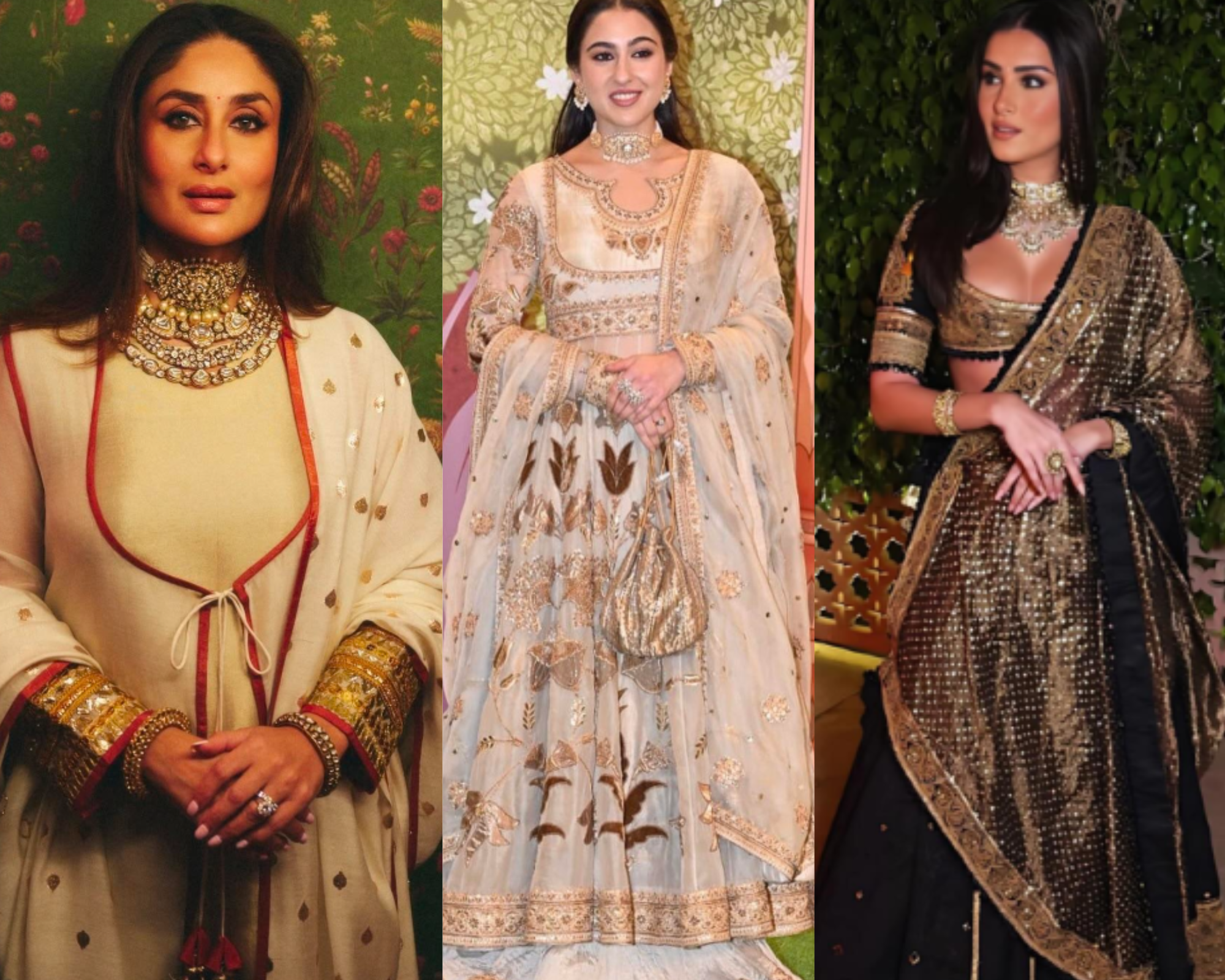
Veteran designer Iqbal Hussain, known for his Lahore-centric aesthetic and deep ties to Pakistani art culture, has dressed several Bollywood celebrities over the years. These include Kareena Kapoor Khan, Sara Ali Khan, Tara Sutaria, Jacqueline Fernandez, and Rashmika Mandanna, largely for shoots and private appearances rather than public red carpets.
British Royalty and the Pakistani Connection
No conversation about Pakistani fashion globally is complete without Kate Middleton, Princess of Wales. During the 2019 royal tour of Pakistan, she wore outfits by:
- Élan (by Khadijah Shah)
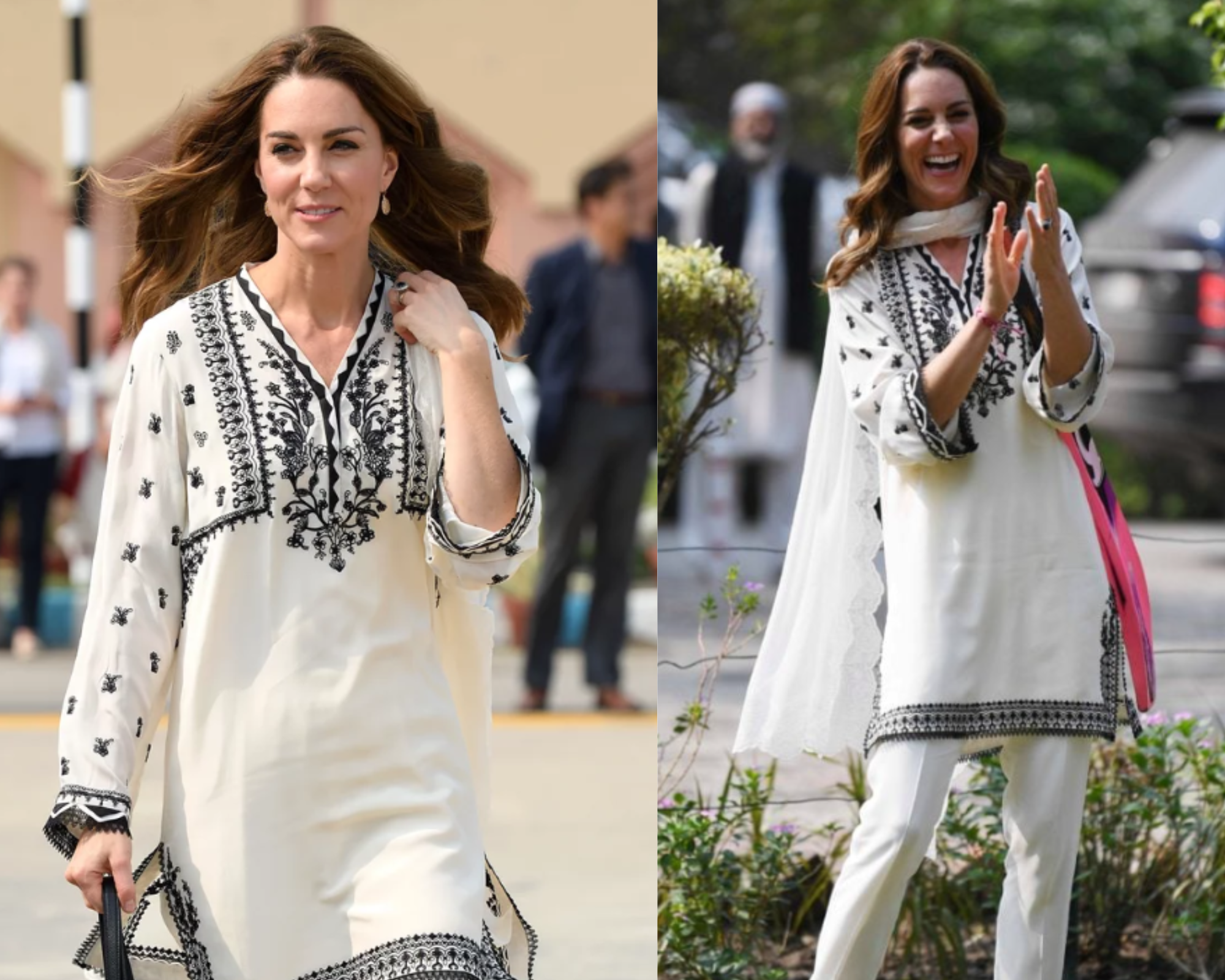
- Maheen Khan
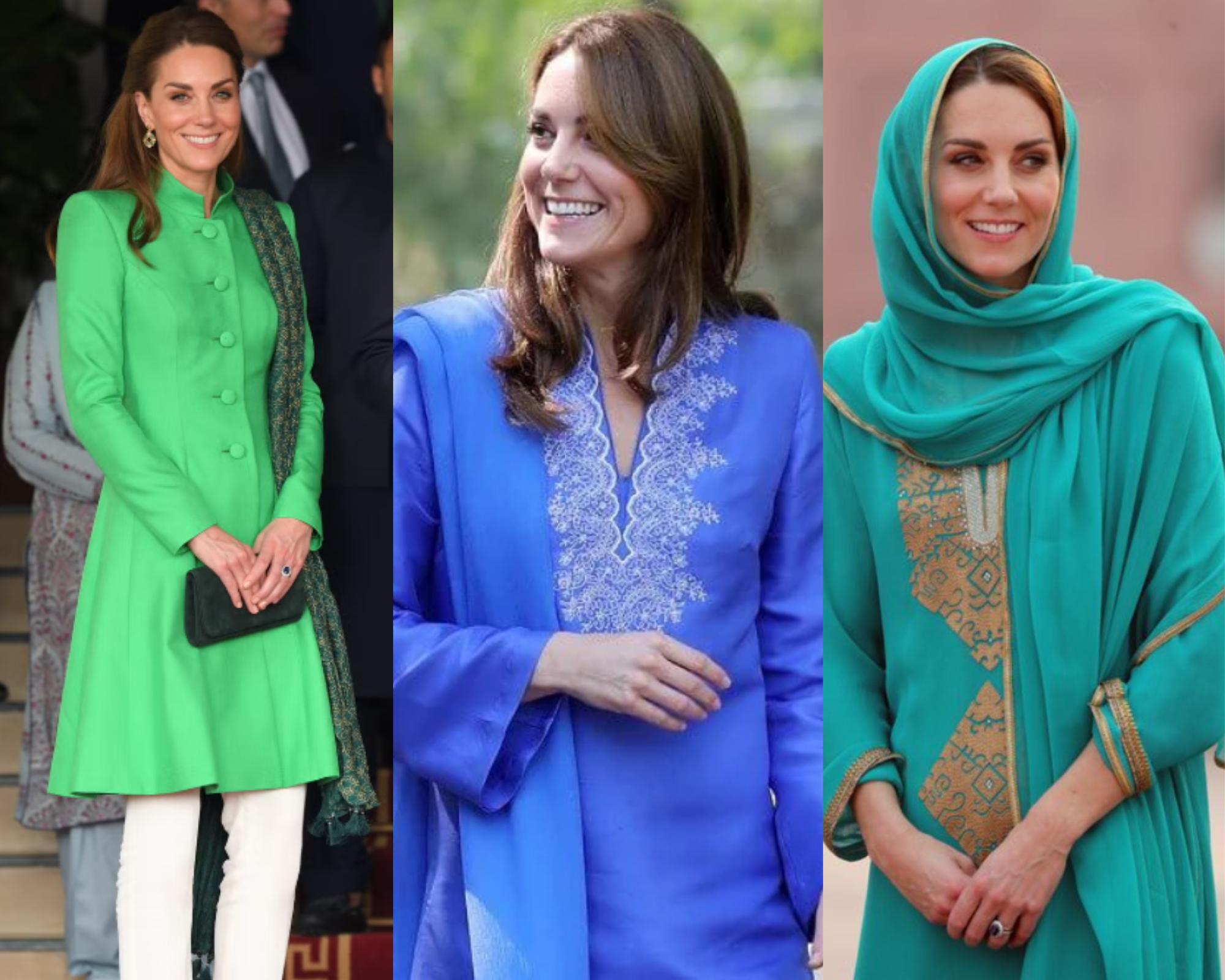
- Gul Ahmed
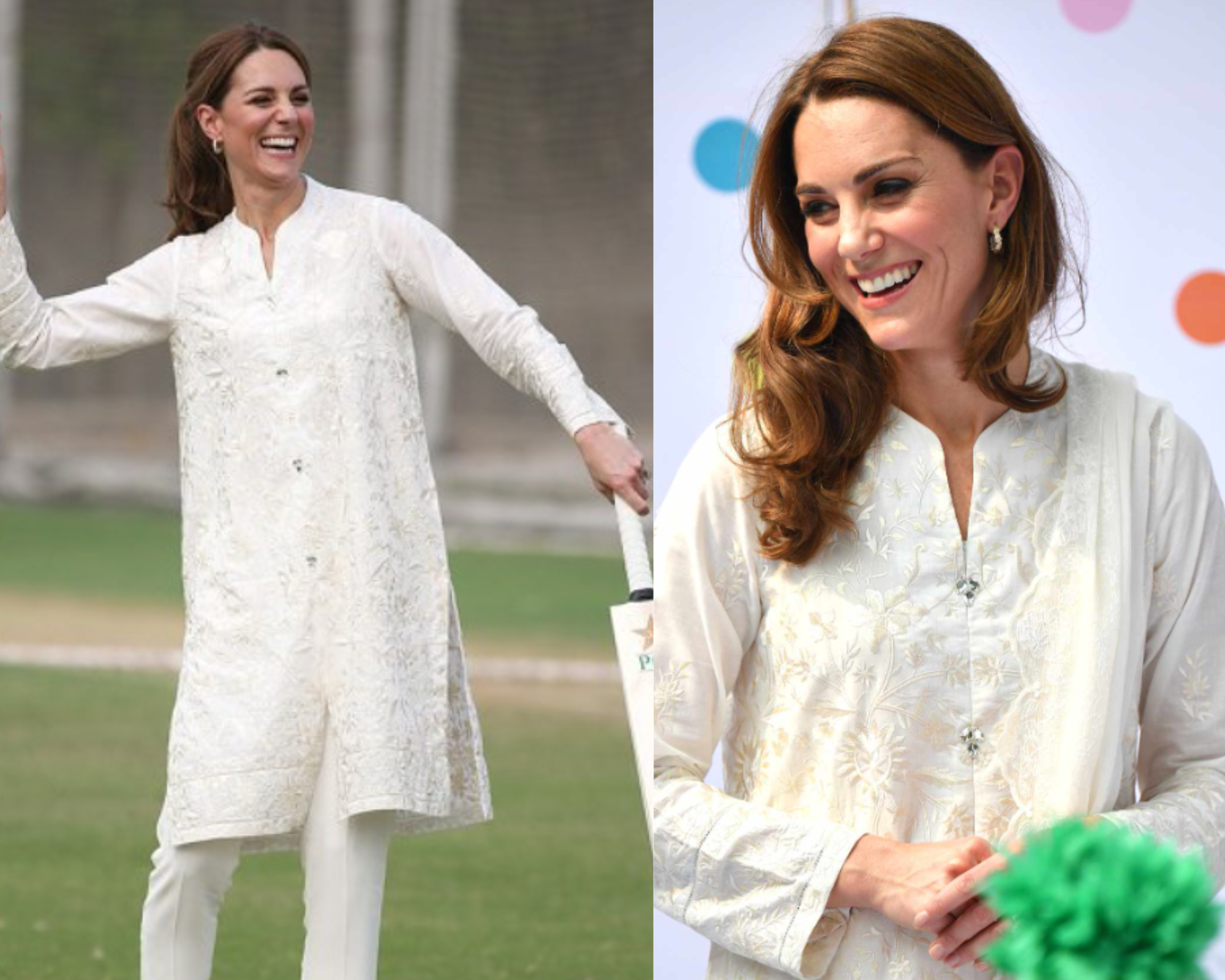
These carefully chosen looks, modest, elegant, and locally sourced, were widely praised and extensively covered by international media, reinforcing Pakistan’s fashion credibility on a global stage.
Other Notable Mentions
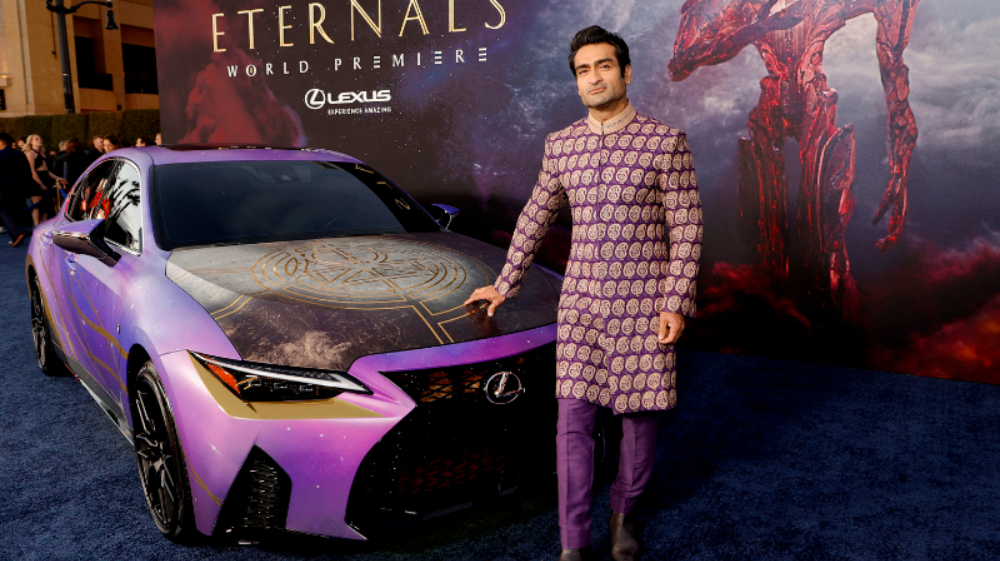
- Umar Sayeed has dressed Kumail Nanjiani, a Pakistani-American Hollywood actor.
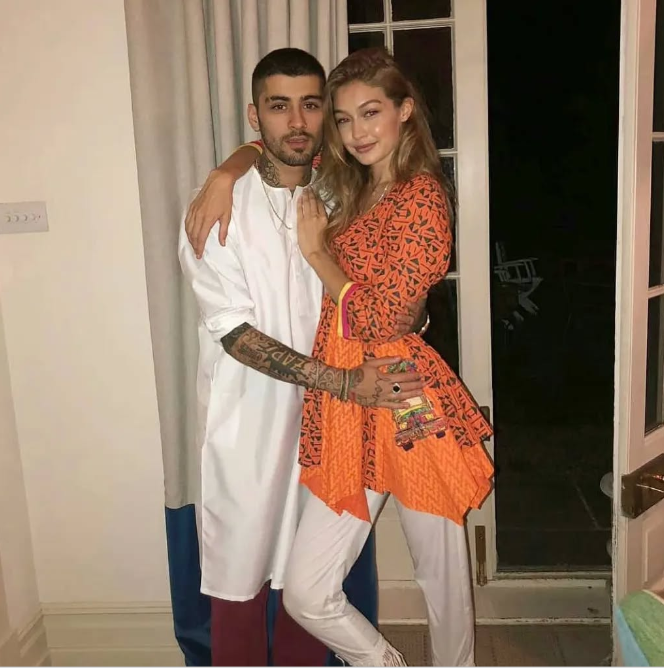
- Gigi Hadid was once spotted wearing Almirah during Eid celebrations.
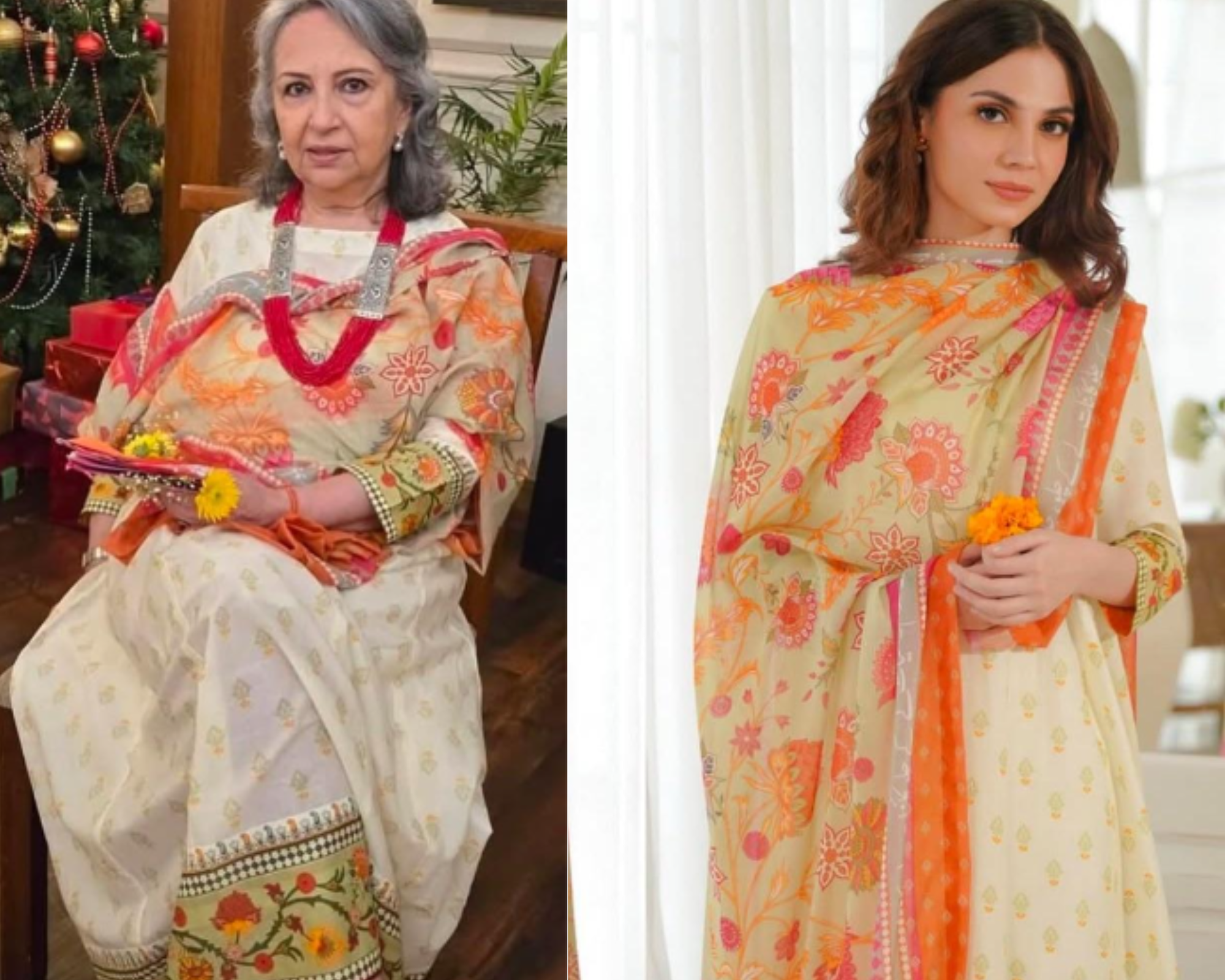
- Sharmila Tagore wore Pakistani brand Manto for her birthday.
Why This Matters
What makes this moment significant is not just celebrity endorsement, it’s representation. Pakistani designers are no longer limited to diaspora audiences or cultural events. They are part of global fashion conversations, worn by people who influence trends worldwide.
From Princess Diana’s quiet diplomacy to Justin Bieber’s streetwear moment, Pakistani fashion has evolved, confidently, creatively, and on its own terms.
And this is only the beginning.