
Mattel Launches First Autistic Barbie: A Milestone in Inclusive Toys
Mattel has launched its first autistic Barbie, designed with input from the Autistic Self Advocacy Network to promote inclusion, representation, and understanding through play.
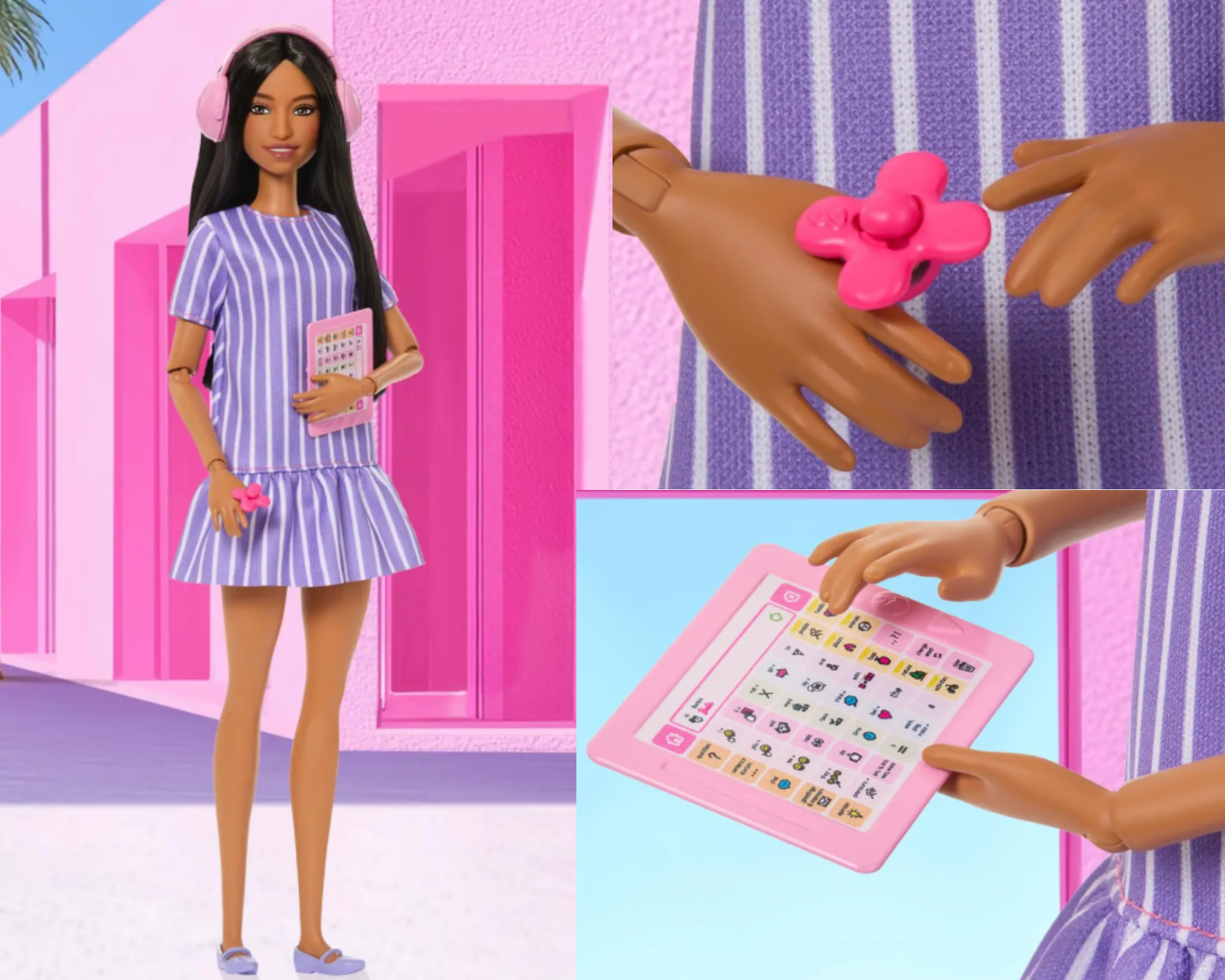
Mattel has launched its first autistic Barbie, marking a milestone in inclusive play and representation. As part of the Fashionistas line, the doll was developed over 18 months in collaboration with the Autistic Self Advocacy Network (ASAN), a nonprofit run by and for autistic people.
The goal? To design a toy that reflects autistic experiences and allows children to see themselves in their toys.
The launch shows Mattel’s broader commitment to diversity and inclusion extending a brand that once faced criticism for narrow beauty standards into one that embraces a wide range of abilities, identities, and lived experiences.
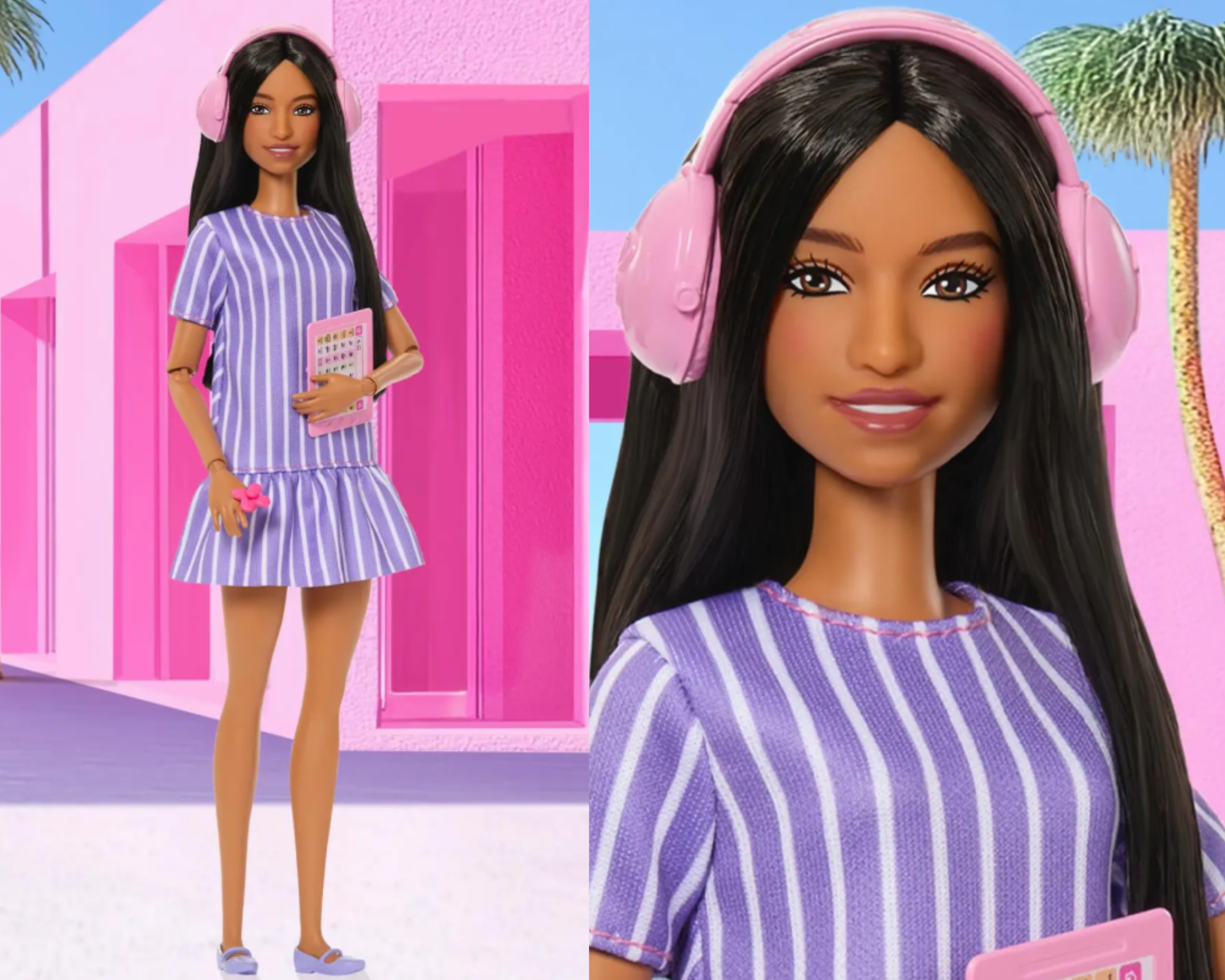
Features of the Autistic Barbie
Rather than simply attaching a label to an existing doll, Mattel and ASAN worked together to include thoughtful design features that represent experiences some autistic people may relate to:
- A slightly averted gaze: The doll’s eyes are angled to the side rather than looking straight ahead, reflecting how some autistic individuals may avoid direct eye contact.
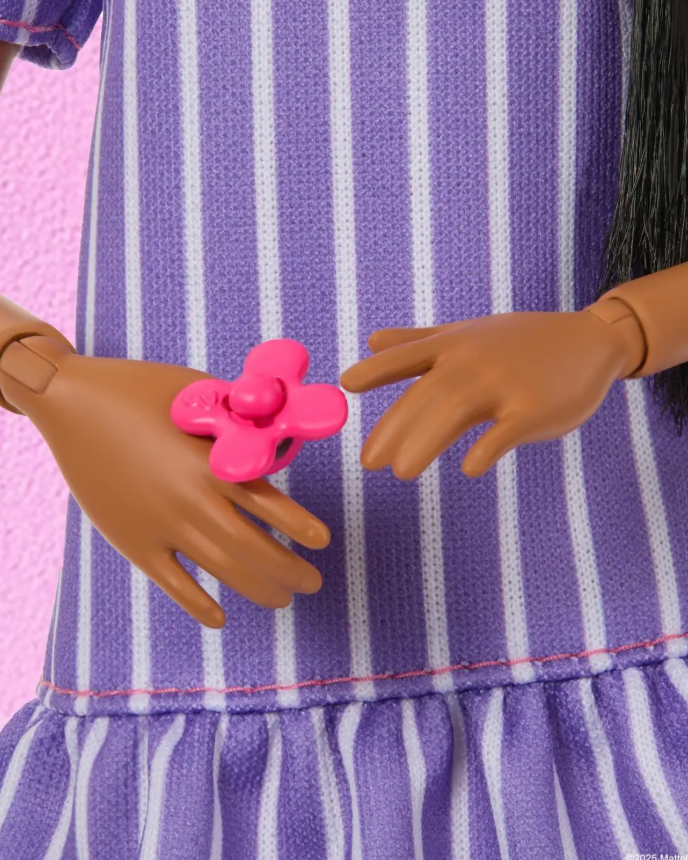
- Articulated elbows and wrists: These allow the doll to mimic gestures like hand‑flapping or other movements that many autistic people use to regulate sensory input or express excitement.
- Noise‑canceling headphones: Designed as a sensory aid to reduce sound overload, a common need for many on the autism spectrum.
- Pink finger‑clip fidget spinner: A tool that can help with focus and self‑soothing, meant to resemble the sensory objects some children and adults enjoy.
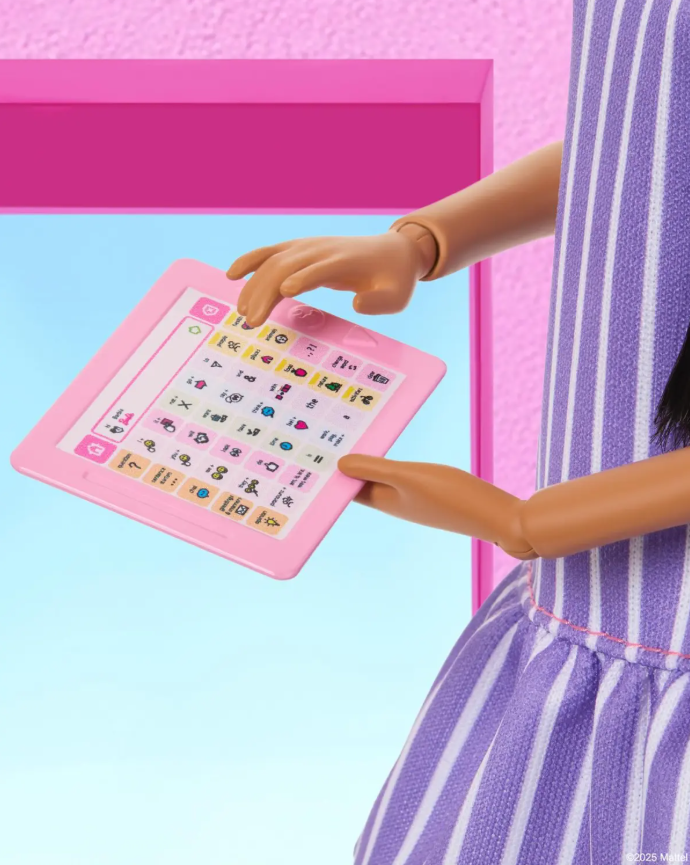
- Symbol‑based communication tablet: Featuring Augmentative and Alternative Communication (AAC) apps, this accessory reflects the tools many non‑verbal or minimally verbal autistic people use.
- Sensory‑friendly clothing: A loose‑fitting purple A‑line dress with flat‑soled shoes chosen for comfort and ease of movement, minimizing fabric contact and prioritizing sensory ease.
These features were carefully chosen not to stereotype autism but to reflect a range of sensory responses and communication styles that some autistic individuals identify with.
As ASAN’s executive director Colin Killick noted, “It is so important for young autistic people to see authentic, joyful representations of themselves, and that's exactly what this doll is.”
The doll is priced at about $11.87 in the U.S. and became available in January at Mattel’s online store and major retailers like Target, with additional distribution following in other markets.
Reactions from the Community
The response from families, advocates, and autistic adults has been largely positive and heartfelt.
Many parents have welcomed the release as a step forward for visibility and acceptance. One supporter said the doll helps send a message that autistic children are “valued and included,” noting that toys can significantly impact how children see themselves and others.
Social media has been filled with emotional stories. Some autistic adults described feeling seen for the first time by a mainstream toy, a moment of validation that resonated deeply. Others praised the design, saying the accessories and features looked “cool” and relatable rather than clinical.
At the same time, some voices in the autism community emphasize that autism is a spectrum and no single doll can represent everyone’s experience. These thoughtful perspectives point out that representation must continue to evolve in ways that reflect a broad range of identities and sensory profiles.
This mix of celebration and conversation shows how deeply personal and meaningful representation can be, and why thoughtful input from lived experience matters.
Why This Matters
Barbie has a long history of evolving with culture. Since its debut in 1959, Barbie has expanded beyond traditional fashion roles to include astronauts, scientists, athletes, and characters with a variety of medical conditions, disabilities, and body types. The Fashionistas line includes dolls with Down syndrome, blindness, prosthetic limbs, hearing aids, and Type 1 diabetes, among others.
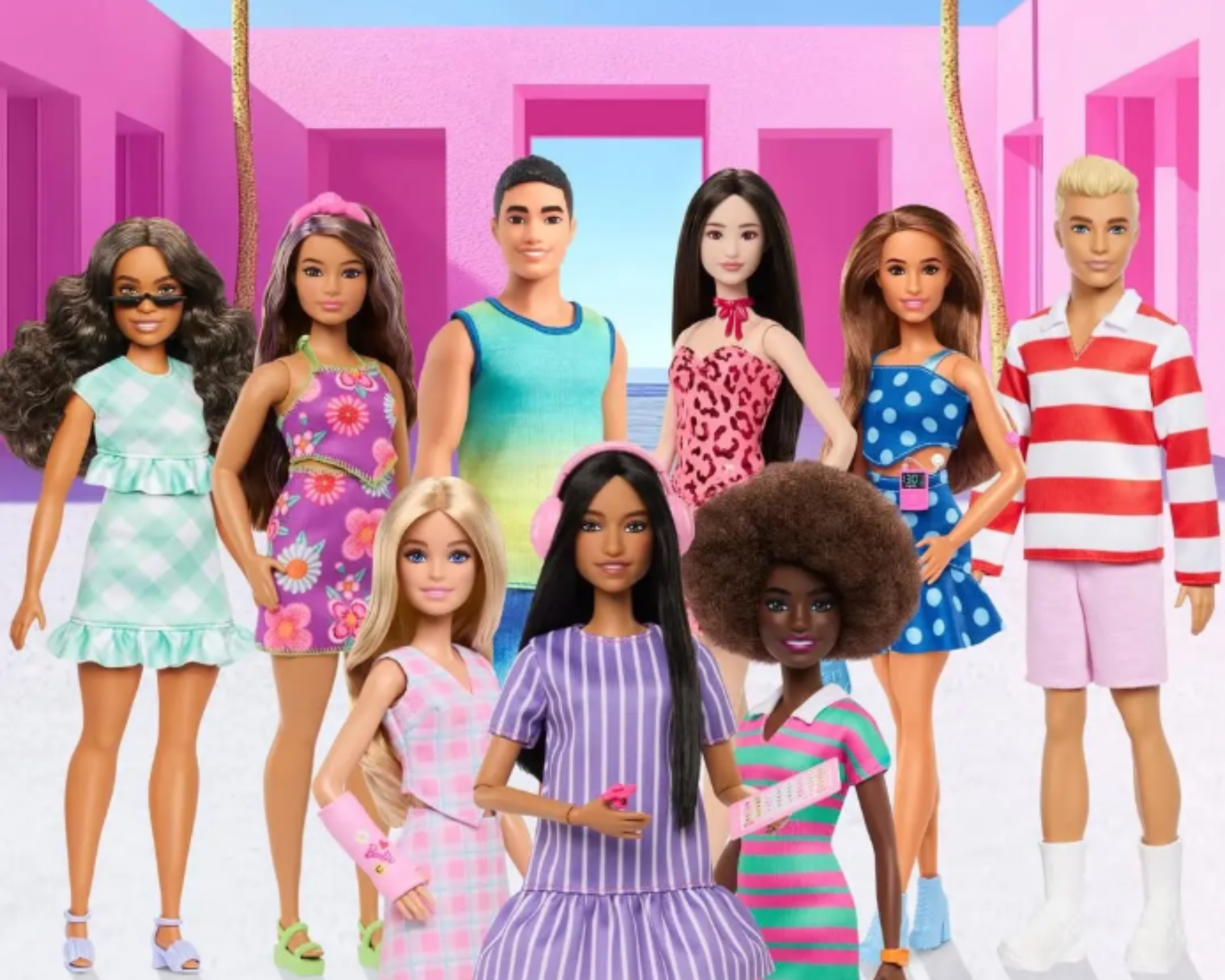
The arrival of an autistic Barbie adds neurodiversity to that lineup, an acknowledgment that childhood should include every kind of imagination, background, and ability. By integrating features that celebrate sensory needs and communication differences, Mattel is fostering a space where children of all experiences can feel seen in a beloved cultural icon.
Toys play a role far beyond entertainment; they can shape how children perceive the world and the people in it. When a child plays with a doll that represents a wide range of human experiences, it can build empathy, curiosity, and understanding, qualities that are valuable for all kids, neurodivergent or not.
Beyond the Doll Shelf
The launch of the autistic Barbie is more than a product release; it is part of a wider cultural shift. Toy companies, educators, and families are increasingly recognizing that inclusion matters not just in schools and communities, but in everyday play. By creating toys that reflect real‑world diversity, brands like Mattel help make acceptance a natural part of childhood.
For many children and adults alike, seeing autism represented in a joyful, respectful way, through accessories that symbolize comfort, communication, and connection, is a reminder that every child deserves to see themselves in their toys.