Inside Dubai’s Daily Life Where Convenience Meets Luxury
Dubai may be known for luxury, but everyday life for residents is shaped by convenience. From digital government services to 24/7 essentials, smart transport, and efficient infrastructure, the city prioritizes ease and time-saving systems that define daily routines more than skyscrapers or designer brands.
Jan 19, 2026
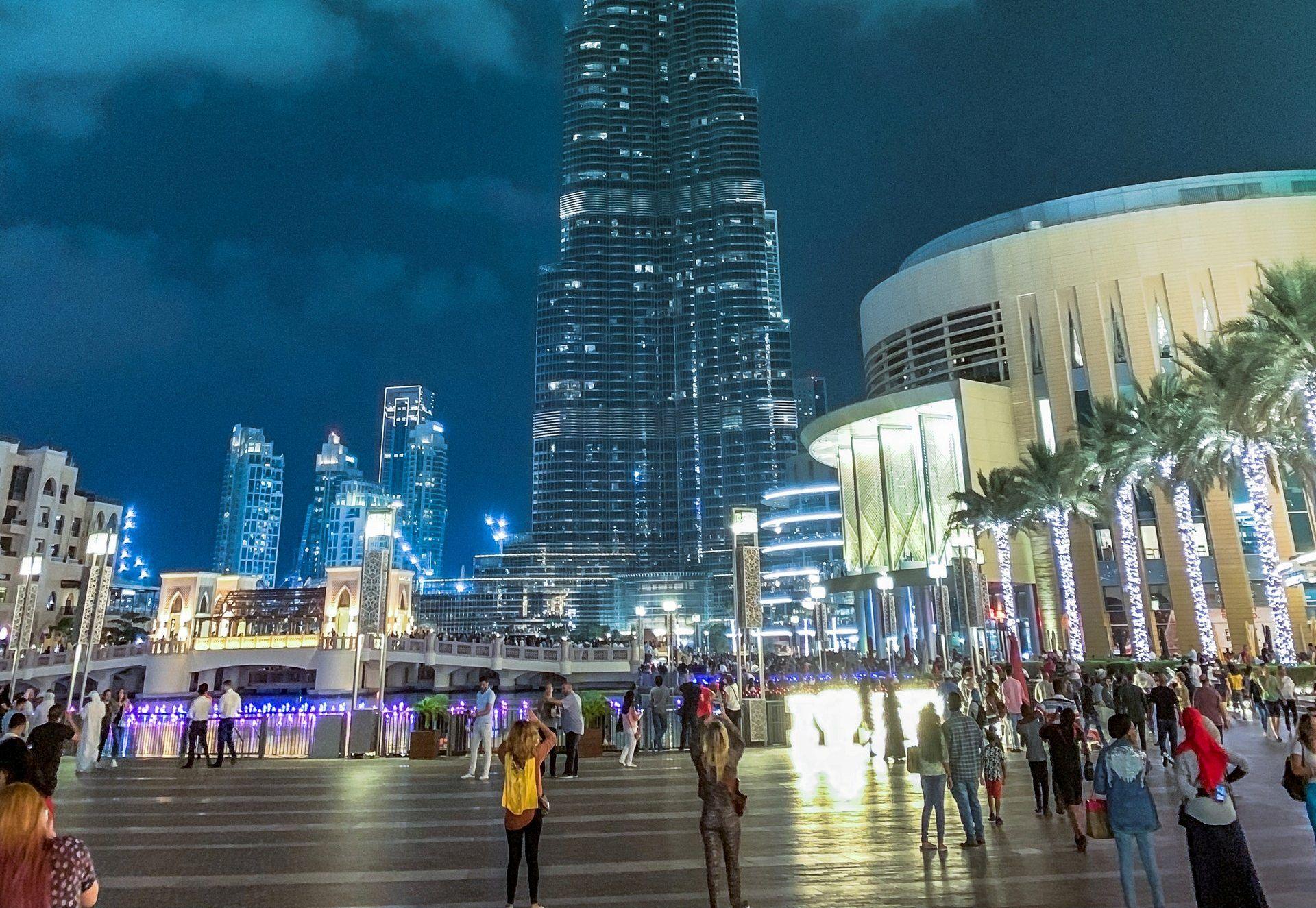
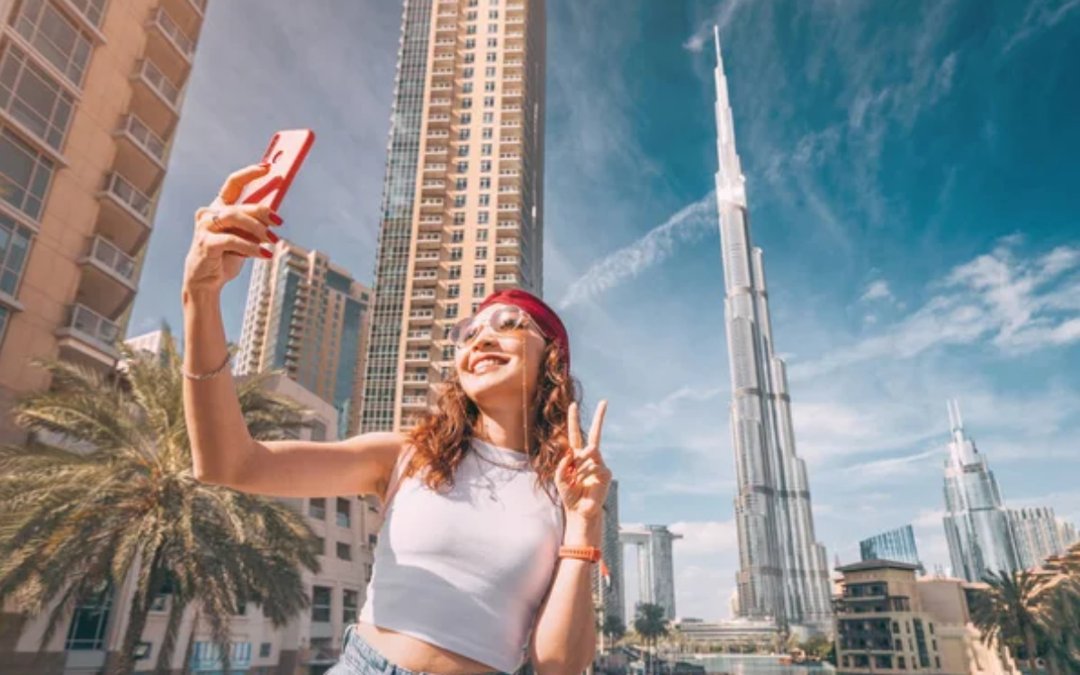
When people think of Dubai, visions of gleaming skyscrapers, luxury cars, and world-class experiences often come to mind. From the Burj Khalifa towering against the desert sky to five-star hotels and designer malls that rival those in New York and Paris, the city’s association with luxury is well earned.
But for the hundreds of thousands of people who live here, families, workers, professionals, and long-term residents, everyday life is often shaped less by luxury and more by systems designed for efficiency and ease. In daily routines such as commuting, shopping, socializing, and working, it is convenience, not luxury, that most affects how life feels. While luxury remains a visible part of the city’s global image, convenience plays a central role in how residents navigate their daily lives.
A Smart City Built for Efficiency
One of the most striking aspects of living in Dubai is how frequently technology and systems come together to make routine tasks easier. Digital services are deeply embedded in daily life in ways that many people elsewhere still aspire to. The DubaiNow app, for example, brings more than 130 government services, from bill payments to emergency reporting and identity renewals, under one digital roof, reducing queues and minimizing time spent on bureaucracy.
Public safety reflects this same focus on efficiency. Dubai’s Smart Police Stations allow residents to complete essential services such as fines and documentation digitally, without stepping inside a traditional station. These systems prioritize accessibility and ease rather than luxury. For many newcomers, especially those relocating from countries with slower or more fragmented public services, this level of efficiency is a welcome adjustment, particularly in an expat-friendly environment where English is widely spoken alongside Arabic.
Practical Living Over Luxury
While Dubai undeniably has a luxurious side, everyday routines are defined by practicality. Supermarkets such as Carrefour and Lulu Hypermarket offer everything from budget essentials to fresh produce, supported by 24/7 pharmacies and grocery stores that often deliver at any hour.
This is not luxury; it is practical living. Residents value the ability to pick up a prescription late at night, order groceries with a tap, or access essentials without long waits. Transportation options, including ride-hailing apps like Uber and Careem, efficient metro lines, and frequent bus services, make getting around the city straightforward and predictable.
Recent infrastructure upgrades, such as the rollout of nearly 600 new smart bus shelters designed for comfort and reliability, highlight how the city continues to invest in usability at street level, not just in landmark developments. Many expats note that these conveniences quickly become part of daily life and are often more appreciated than designer boutiques or VIP lounges.
How Convenience Supports Work-Life Balance
Daily convenience is not only about services; it is also about time. Many expats move to Dubai for career opportunities and higher disposable income, but these benefits often come with long working hours and limited downtime to enjoy the city’s glamorous offerings.
In this context, convenience is not a bonus, it is essential. Shorter commutes, reliable food delivery, accessible transport, and streamlined services help residents make the most of limited free time. When dinner can be ordered through an app and document renewals handled from a phone, the demands of the workweek feel more manageable. Convenience helps residents navigate the time constraints that often accompany long working hours.
The Cost of Convenience
Dubai’s reputation for luxury can sometimes obscure the reality that everyday life for many residents is grounded and practical. Social media often highlights rooftop lounges and desert safaris, but expats frequently point to supermarkets, affordable neighborhood dining, coworking spaces, beaches, and parks as the true foundations of daily life.
Many residents emphasize that living in Dubai does not require extraordinary wealth. Groceries, work necessities, and casual meals can be reasonably priced, especially outside the most exclusive areas. At the same time, convenience does come at a cost. Rising living expenses, particularly rent increases in recent years, mean that efficiency and ease often carry a premium.
Still, when compared with cities where daily tasks involve long queues, limited operating hours, or slow service, many Dubai residents view this cost as a trade-off for access to reliable and efficient systems. This balance between ease and expense shapes how people experience the city over time, practical living with added value.
How Convenience Influences Social Life
Beyond infrastructure and services, convenience also shapes social life. In a city where summer temperatures can exceed 45°C, indoor spaces such as malls, gyms, and coworking lounges are not simply leisure venues; they function as essential social environments where people can gather comfortably.
Everyday activities, a morning jog along Jumeirah Beach or an evening coffee in a mall lounge, become part of daily life because the city makes them accessible. Dubai is home to residents from more than 200 nationalities, and shared access to infrastructure helps create common routines across cultures.
Subscription-based services further reinforce this culture of convenience. Meal plans, grocery subscriptions, and transport packages allow busy residents to simplify routines, saving time and mental energy while adapting to demanding schedules.
A City Where Efficiency Becomes Comfort
While luxury continues to shape Dubai’s international reputation, everyday convenience plays an equally important role in how residents experience the city. From digital government platforms to transportation, retail access, and social spaces, efficiency influences how people organize their time, manage work-life demands, and maintain daily routines.
As Dubai continues to grow as a global city, these systems demonstrate how urban planning, technology, and service design can shape daily life in ways that are less visible than luxury, yet just as impactful.