Gen Z and Coffee: The Culture Beyond the Cup
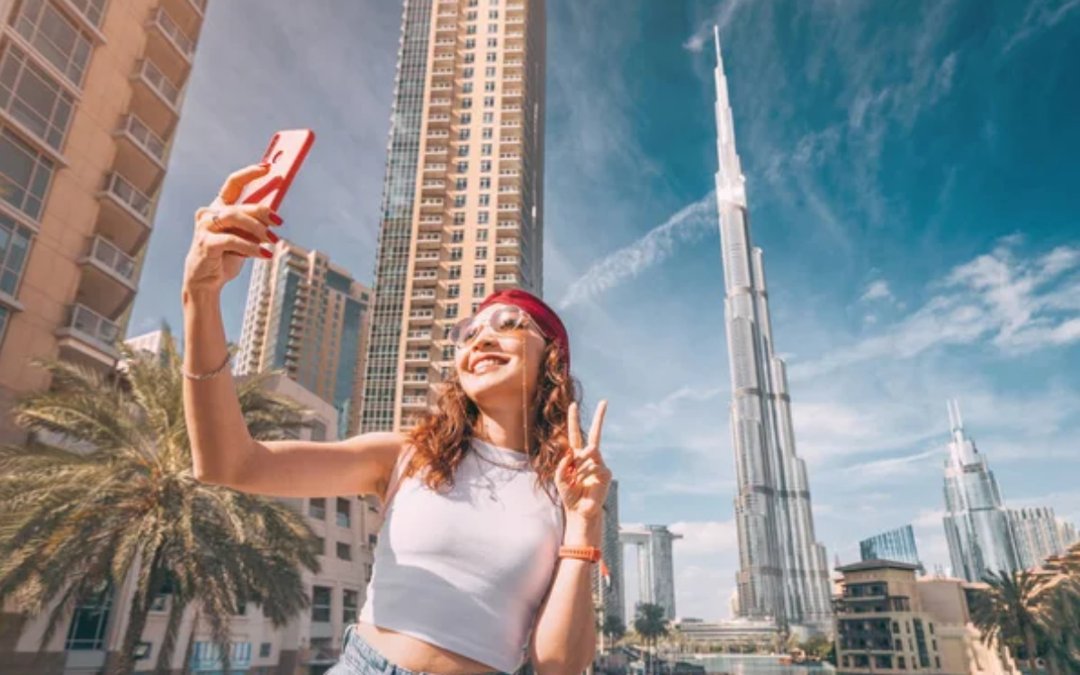
For Gen Z, coffee has become more than just a drink — it’s a lifestyle, a daily ritual, and a social space where they connect with friends, discover new cafés, express themselves, and shape a culture all their own.
For Gen Z, usually defined as those born between 1997 and 2012, coffee is no longer just about staying awake. It is the start of the day, the pause between tasks, the excuse to step out, and sometimes the only quiet moment in a noisy routine. Somewhere along the way, coffee stopped being just a drink and became a lifestyle, and cafés became something more than places to grab a cup.
For many young people today, coffee shops function as a third place: a space that sits somewhere between home and work, offering comfort, connection, and a sense of belonging. This shift says a lot about how Gen Z lives, constantly online, often overstimulated, and always looking for small moments of calm and connection in a fast-moving world.
What Does “Third Place” Really Mean?
The idea of a third place comes from sociology and refers to spaces that are not home (the first place) or work or school (the second place). Traditionally, these were places where people gathered without pressure, parks, libraries, community centers, spaces where you could show up as you were and stay as long as you liked.
Today, cafés have quietly taken on that role. As more interactions move online and daily routines become increasingly fragmented, coffee shops offer something rare: a physical space where you can be around people without having to engage constantly. You can sit alone without feeling isolated, meet friends without overplanning, or simply exist without expectations. That ease is part of what makes cafés feel so essential.
Coffee as a Daily Ritual
For Gen Z, coffee is not just fuel, it’s a ritual. Getting a coffee marks moments in the day: the start of the morning, a break between classes, and a reset after a long afternoon. That predictability offers comfort. In a generation dealing with constant notifications, deadlines, and digital noise, small routines matter more than ever.
This is why coffee feels grounding. Whether it is a quiet solo visit or a casual meet-up with friends, the act of ordering and drinking coffee creates a pause, a brief moment where time slows down. It’s less about the caffeine and more about how the experience makes you feel.
Why Cafés Feel Like Safe Social Spaces
What draws Gen Z to cafés is not only the menu, it’s the atmosphere. Coffee shops are flexible spaces. You can go alone with headphones and a laptop, or spend hours talking with friends. There is no dress code, no loud music forcing conversation, and no pressure to perform socially.
Unlike traditional nightlife spaces, cafés are gentle. Conversations flow naturally. Silence is allowed. You do not have to explain why you are there or how long you will stay. That freedom makes cafés feel accessible and emotionally safe especially for a generation that values balance and boundaries.
The Rise of Café-Hopping
Alongside this comfort, there is another clear trend: Gen Z loves trying new coffee places. Going to cafés is not just about having a spot, it is about discovering the next one. New coffee shops are treated almost like events. You try them, talk about them, take a photo, and mentally check them off your list.
Social media plays a big role here. New café openings, unique interiors, and limited-time menus quickly become conversation starters and weekend plans. Visiting early feels like being part of something current, a way to stay culturally plugged in.
There is also less emphasis on loyalty and more on variety. One café might feel right for studying, another for conversations, another purely for the vibe. Instead of returning to the same place, many Gen Z consumers prefer to collect experiences, different moods, aesthetics, and ambience, depending on how they feel that day.
The Coffee Experience
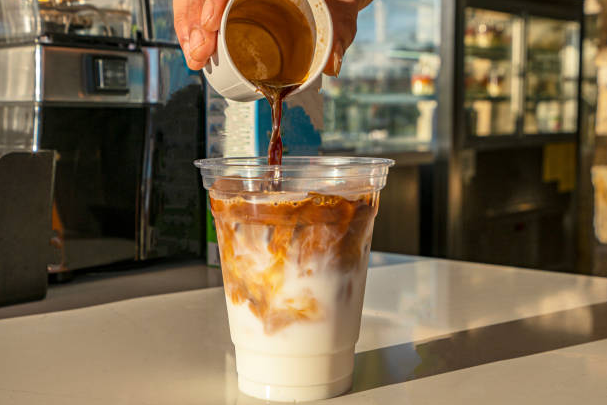
Gen Z has not only influenced where coffee is enjoyed, they have changed how it looks and feels. Customization is key. Drinks are tailored with alternative milks, flavored syrups, textures, and toppings, turning each order into something personal.
There is also growing interest in coffee that does more than energize. Functional options that promise focus, calm, or balance appeal to a generation that thinks about wellness holistically. Coffee becomes part of self-care, not just productivity.
Of course, how a drink looks matters. Coffee is often chosen for its visual appeal and shared online as part of everyday life. In that way, it becomes both a personal ritual and a form of expression.
Aesthetics, Vibes, and Social Media
Social media has deeply shaped modern coffee culture. Drinks that look good tend to go viral online, and cafés designed with attention to lighting, textures, and mood naturally draw people in. For Gen Z, ambience is not extra, it is essential.
A café’s “vibe” often determines its purpose. Some feel ideal for quiet work, others for long conversations, others simply for sitting and observing. Coffee shops are no longer just backdrops; they actively shape how people feel and interact.
Beyond looks and menus, Gen Z also pays attention to what places stand for. Sustainability, ethical sourcing, inclusivity, and community matter. Cafés that reflect these values tend to feel more meaningful, not just places to spend money, but places that align with personal beliefs.
This reflects a wider shift in how young people choose where to spend their time. It’s not only about what is offered, but about whether a space feels intentional and aligned with their worldview.
Coffee shops also meet practical needs. For many young people navigating economic uncertainty, coffee is an affordable indulgence, a small pleasure that does not require commitment. Cafés double as accessible work and study spaces, offering Wi-Fi, seating, and flexibility without pressure. In this way, coffee culture balances necessity and pleasure. It offers connection without obligation, routine without rigidity, and novelty without excess.
Coffee as Culture
For Gen Z, coffee is no longer just about caffeine. It is about belonging, expression, and carving out moments of calm in a world that rarely slows down. Cafés have become modern third places, spaces to think, work, socialize, or relax.
What started as a simple drink has evolved into a shared cultural language shaped by routines, aesthetics, values, and everyday moments. As Gen Z continues to redefine how they live and connect, coffee culture will keep evolving too, one cup, one café, and one pause at a time.