
Expat and Immigrant Leaders: Major Success Stories Around the World
From London to Rotterdam and Washington, immigrant and expat leaders are reshaping public life through sustained civic trust. These real-world success stories show how migration, integration, and political participation intersect, revealing a global shift where leadership increasingly reflects diverse societies rather than symbolic milestones.
Jan 19, 2026
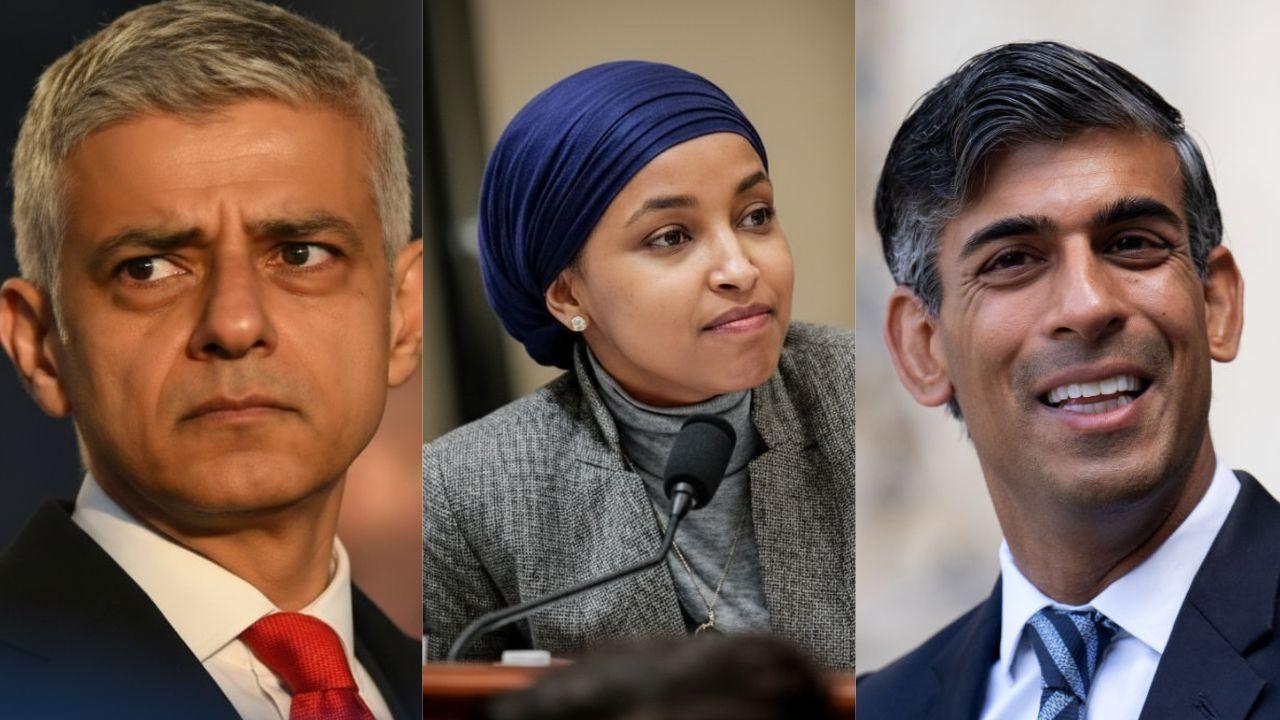
Migration stories are often reduced to economics or policy debates. Less visible, but equally important, are the individuals who arrive in new countries and later shape public life through leadership. Across cities and nations, expats and immigrants are becoming mayors, lawmakers and national leaders, reflecting how modern societies are changing. These stories resonate globally, especially in an era where social media amplifies moments of representation and shared identity.
What follows are real examples of expats who became leaders in their adopted countries, not through symbolism, but through sustained public trust and civic participation.
Sadiq Khan
Sadiq Khan is the son of Pakistani immigrants who settled in the United Kingdom. Raised in a working-class household in London, he entered public life through community advocacy and local government before becoming Mayor of London. His election was notable not because of a single milestone, but because it reflected the city’s demographic reality.
Khan’s leadership has been shaped by long-term engagement with urban policy, transport and housing. His repeated re-election demonstrates voter confidence over time. His career illustrates how immigrant background can coexist with mainstream political leadership in one of the world’s most global cities.
Ilhan Omar
Ilhan Omar arrived in the United States as a refugee from Somalia and later became a member of the US Congress. Her political journey began at the local level, where she focused on education, housing and community development.
Her rise reflects broader changes in American civic participation, particularly in cities with established immigrant communities. Omar’s leadership highlights how lived experience of migration can inform policymaking, especially on issues related to social services and inclusion. Her career is often discussed online because it connects personal history with institutional power.
Amer Ghalib
Amer Ghalib, a Yemeni-born immigrant, became mayor of Hamtramck, Michigan, a city known for its high immigrant population. His election reflected demographic change at the local level, where immigrant communities have become deeply embedded in civic life.
Hamtramck’s leadership shift gained attention on social media because it challenged assumptions about political participation in smaller American cities. Ghalib’s role shows how local governance often serves as an entry point for immigrant leadership before broader visibility follows.
Ahmed Aboutaleb
Ahmed Aboutaleb was born in Morocco and later became mayor of Rotterdam, one of Europe’s largest port cities. His career began in journalism and public service before transitioning into politics.
As mayor, Aboutaleb focused on social cohesion, security and urban management. His leadership is often cited in discussions about integration in Europe, not because of his background alone, but because of his emphasis on shared civic responsibility. His tenure demonstrated how immigrant leaders can gain trust across diverse populations.
Leo Varadkar
Leo Varadkar, the son of an Indian immigrant, served as Prime Minister of Ireland. While born in Ireland, his immigrant family background played a visible role in public discussions about modern Irish identity.
Varadkar’s leadership coincided with a period of social and economic transition in Ireland. His rise reflects how second-generation immigrants increasingly enter leadership positions in countries that were once more culturally homogeneous.
Rishi Sunak
Rishi Sunak, whose parents immigrated to the United Kingdom from East Africa with Indian roots, became Prime Minister of the UK. His ascent reflects long-term demographic and political shifts rather than sudden change.
Sunak’s leadership is frequently discussed in global media because it represents how immigrant-origin families are now part of mainstream political leadership in Western democracies. His career underscores how professional background, education and party affiliation remain central to leadership, alongside heritage.
Why These Stories Resonate Globally
These leadership journeys gain attention because they align with lived realities of migration. Social media amplifies these stories, often framing them as milestones, but their sustainability depends on governance and public trust.
Research on political participation shows that immigrant leaders are more likely to emerge in societies where citizenship pathways, education access and civic inclusion are well established. Visibility follows integration, not the other way around.
What These Leaders Represent
These examples do not suggest that migration guarantees leadership. Instead, they show how systems that allow participation create conditions for leadership to emerge. Immigrant leaders often bring cross-cultural understanding into decision-making, which can influence policy outcomes in areas such as housing, education and social cohesion.
Studies on representative governance suggest that diverse leadership can increase institutional trust, particularly among minority communities, strengthening democratic participation overall.
The rise of expat and immigrant leaders reflects generational change. Many are children of migrants who grew up navigating multiple identities and systems. Their leadership styles often reflect this complexity.
As global mobility continues, leadership shaped by migration is becoming less exceptional and more expected. These stories are not about origin alone, but about contribution, accountability and shared futures.