
Successful Expat Entrepreneurs and Leaders Who Built Careers in Dubai
From global banks and tech giants to aviation and retail, these 10 expatriate leaders show how international talent continues to shape Dubai’s business landscape
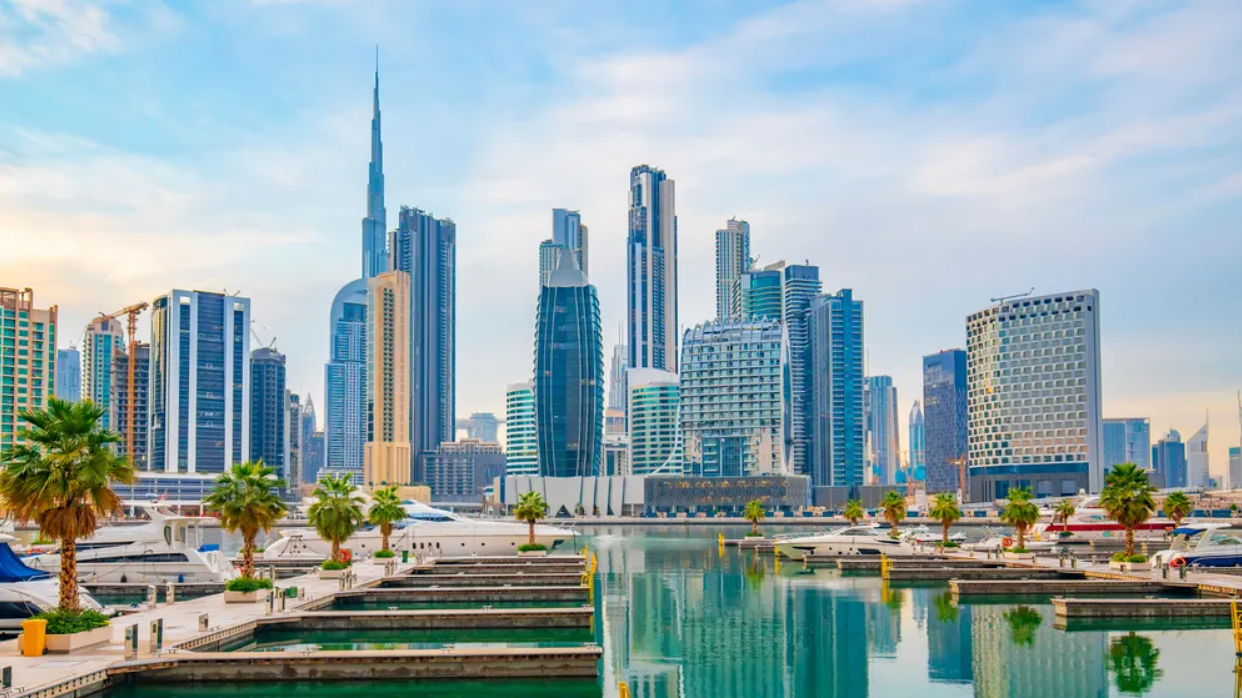
Dubai and the broader United Arab Emirates (UAE) have long attracted expatriate talent from around the world. With a business-friendly regulatory environment, strategic location, and strong infrastructure, the UAE offers opportunities for professionals to lead regional operations, launch ventures, and shape industries.
Below are notable expat entrepreneurs and executives whose achievements help explain why Dubai remains a magnet for international talent.
1. Paul Griffiths - CEO, Dubai Airports
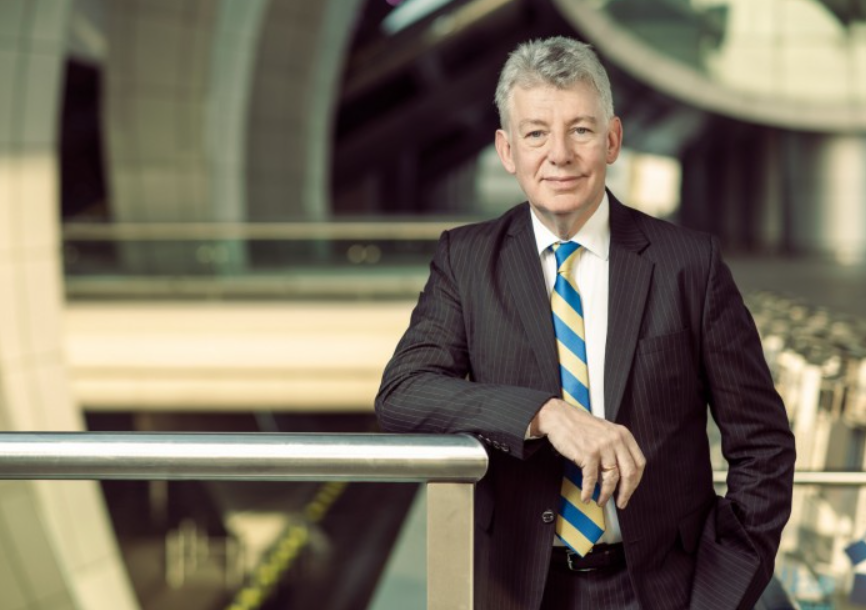
Paul Griffiths, a British national, serves as the Chief Executive Officer of Dubai Airports, the governing body that operates one of the world’s busiest aviation hubs. Dubai International Airport consistently ranks among the top airports globally in passenger traffic, serving millions of travelers each year. As CEO, Griffiths oversees airport operations, strategic growth initiatives, and major infrastructure expansions that contribute significantly to the UAE’s position as a global travel and logistics hub.
2. Alain Bejjani - CEO, Majid Al Futtaim
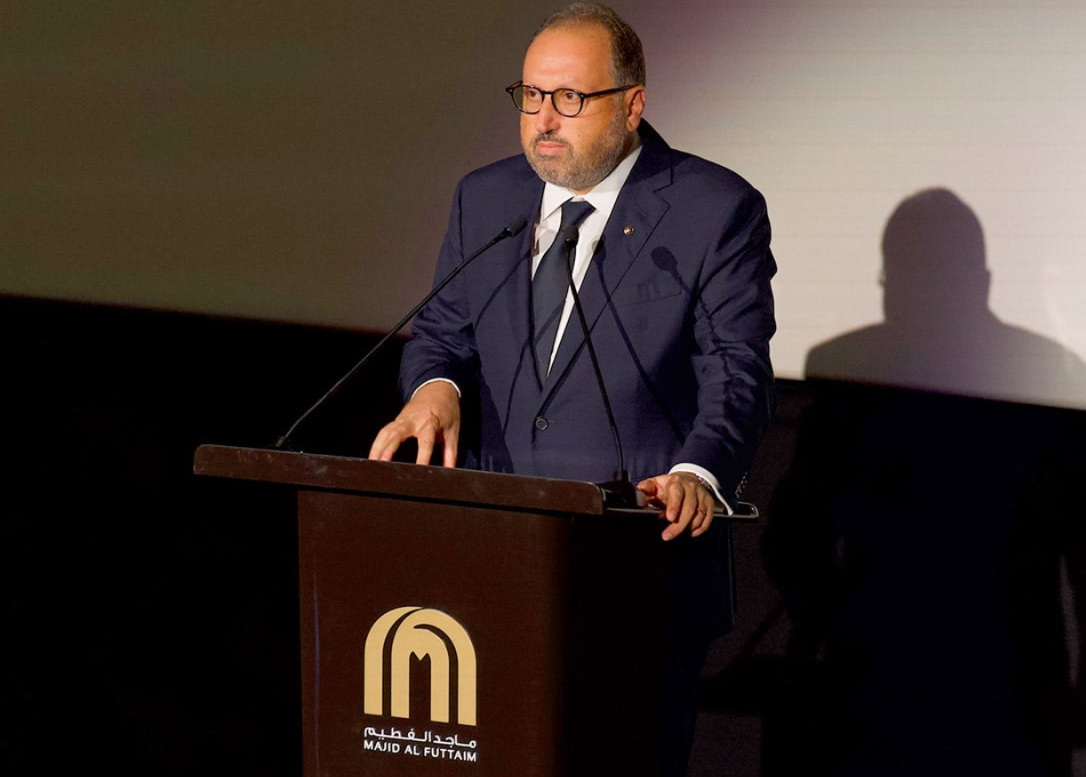
Alain Bejjani, originally from Lebanon, is the CEO of Majid Al Futtaim, one of the largest retail, leisure and shopping mall conglomerates in the Middle East. Under his leadership, the company manages numerous shopping centres, including iconic destinations such as Mall of the Emirates, and extensive retail formats across multiple countries. Bejjani’s role is noteworthy because he is a rare non-family CEO of a major family-owned business, reflecting the UAE’s inclusion of international leadership in its corporate landscape.
3. Mudassir Sheikha - CEO, Careem
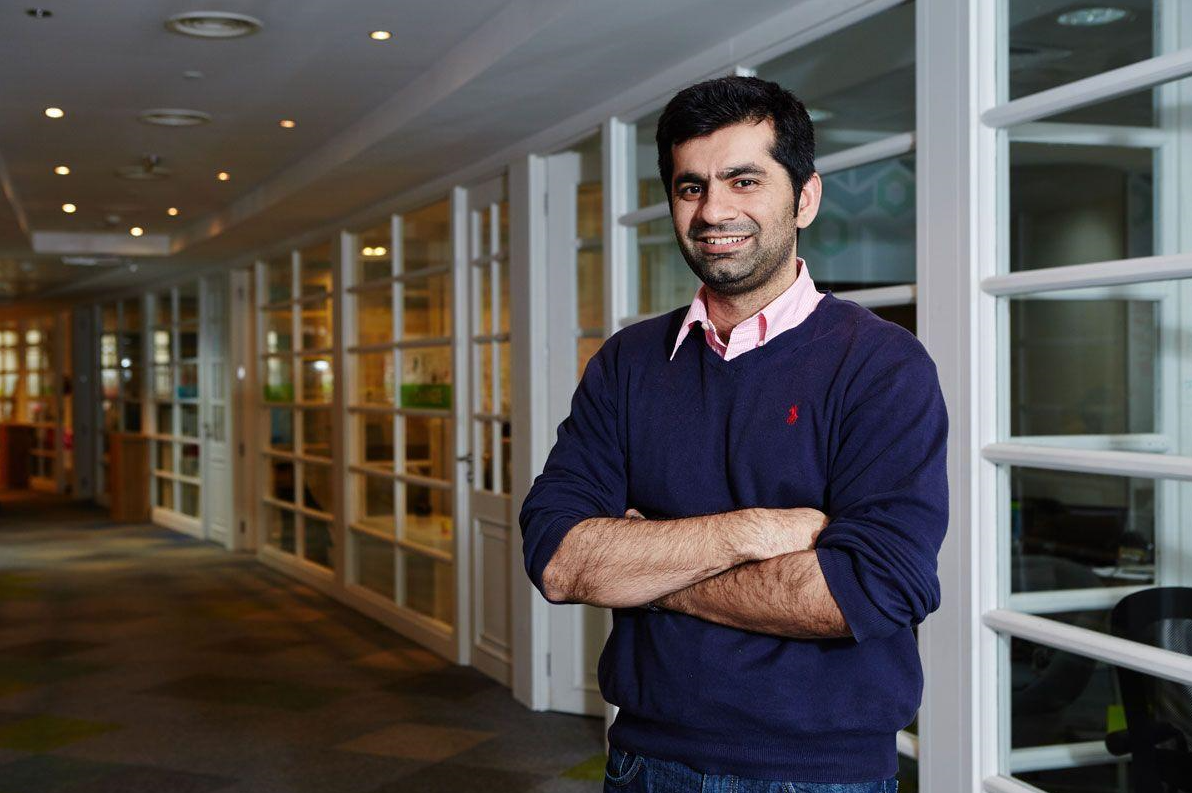
Mudassir Sheikha, a Pakistani entrepreneur based in Dubai, is the co-founder and former CEO of Careem, a company he helped build into the Middle East’s first homegrown tech firm to reach a valuation exceeding $1 billion. Founded in Dubai in 2012, Careem began as a ride-hailing platform before expanding into a multi-service app offering food delivery, payments, and logistics across the Middle East, North Africa, and South Asia. Its acquisition by Uber in 2019 marked a milestone for the region’s startup ecosystem, highlighting Dubai’s ability to support globally scalable, innovation-driven companies and positioning Sheikha as a prominent expat entrepreneur in the UAE.
4. Nabil Habayeb - President & CEO, GE MENAT
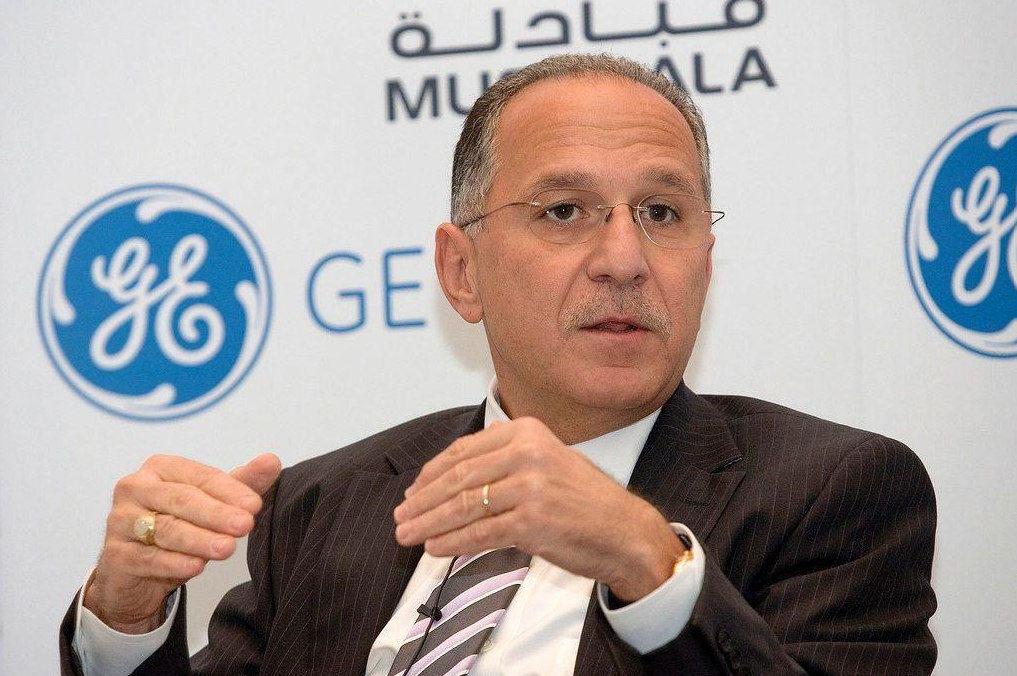
Nabil Habayeb, who holds both Lebanese and American nationality, is President and CEO of GE MENAT (Middle East, North Africa and Turkey). General Electric’s operations in the MENAT region include energy, healthcare, aviation and digital industrial solutions. Habayeb’s leadership has encompassed strategic growth, partnerships with regional governments, and the expansion of commercial activities that support national development goals.
5. Haider Ali Khan - CEO, Bayut & Dubizzle Group MENA
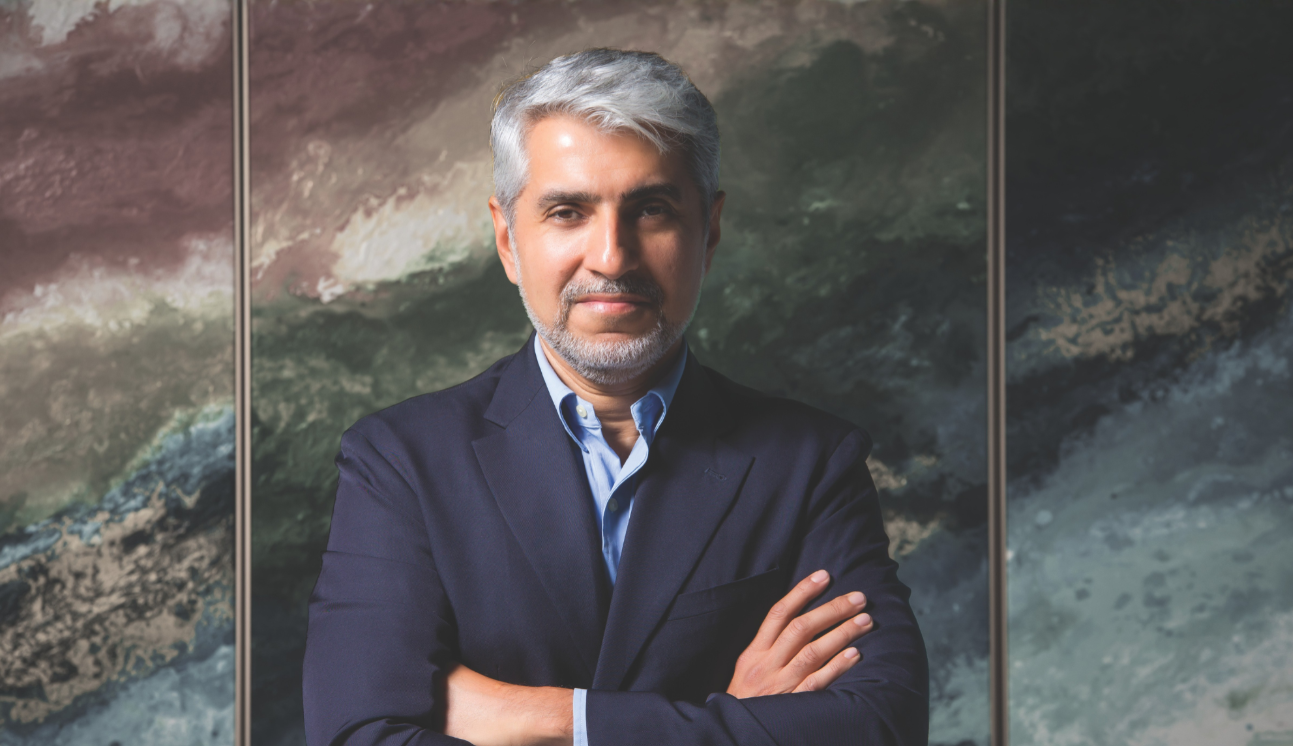
Haider Ali Khan, a Pakistani-American business leader based in Dubai, is the Chief Executive Officer of Bayut, the UAE’s leading property portal, and heads the wider Dubizzle Group MENA. Since joining Bayut, Khan has overseen its growth into a data-driven proptech platform that plays a central role in the UAE’s real estate ecosystem. Under his leadership, the company has introduced technology-led solutions aimed at improving transparency and efficiency in property transactions, while strengthening Bayut’s position as a market leader. His career reflects how expat leadership, particularly from the Pakistani diaspora, continues to shape Dubai’s digital and real estate sectors.
6. Yves Manghardt - Chairman & CEO, Nestlé Middle East
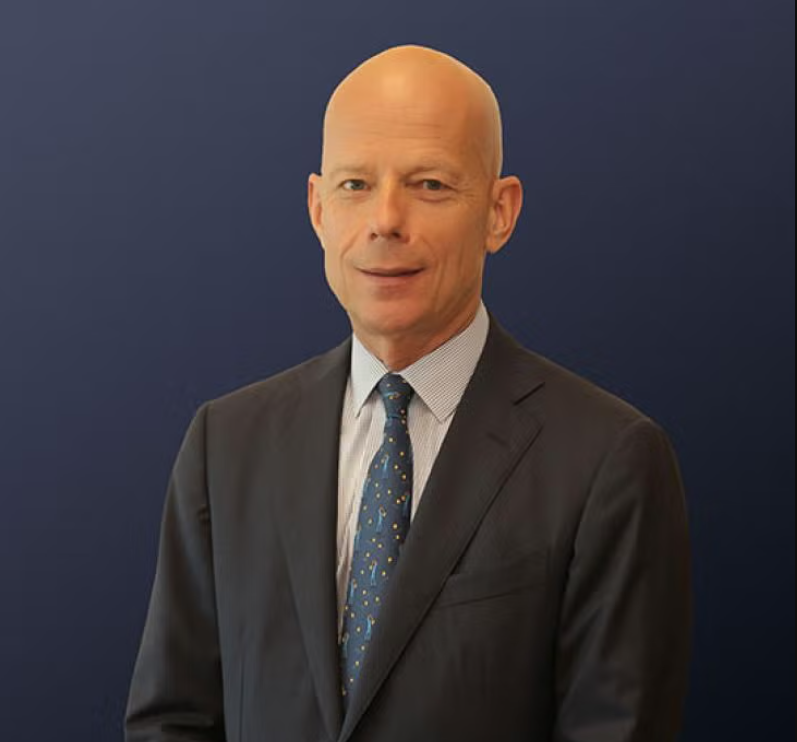
Swiss national Yves Manghardt leads Nestlé Middle East as Chairman and CEO. Nestlé is a global food and beverage giant, and its regional operations serve diverse markets with products ranging from nutrition and dairy to coffee and health-focused offerings. Manghardt’s role reflects the importance of international experience in expanding consumer goods businesses across local and regional demand centers.
7. Atiq ur Rehman - CEO, Citi Group UAE
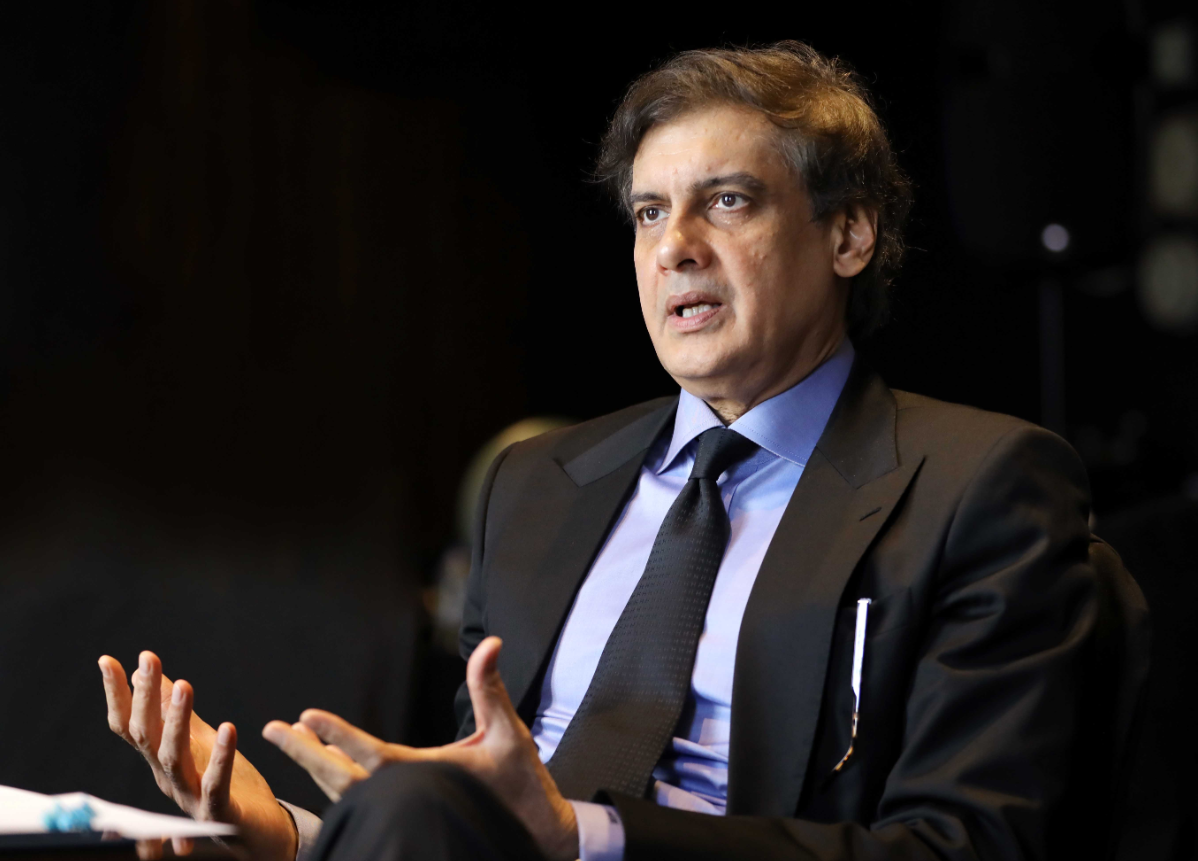
Atiq ur Rehman, representing the British contingent on the list, is CEO of Citi Group UAE, part of the global financial services firm Citigroup. Citi operates in corporate and investment banking, private banking, and wealth management, supporting institutional and high-net-worth clients. Rehman’s leadership positions Citi as a prominent international bank in the financial services of the UAE.
8. Wajdan Gul and Anam Khalid - Co-Founders, SQUATWOLF

Wajdan Gul and his wife Anam Khalid are the husband-and-wife duo behind SQUATWOLF, a Dubai-born premium gymwear and activewear brand that has grown into a globally recognized label sold in over 120 countries. The couple moved to Dubai from Pakistan and, noticing a gap in performance-driven fitness apparel tailored to the region’s active community, launched the company in 2016 from their apartment. Gul, as CEO, focuses on product vision and early-stage momentum, while Khalid, as COO, leads brand strategy, scaling operations and team development. Together, they combined their complementary strengths to turn SQUATWOLF into a brand with strong community roots and international reach, a journey that includes securing significant investment and opening a flagship store in Dubai Mall. Their partnership highlights how shared vision and collaboration can power entrepreneurial success in Dubai’s dynamic business environment.
9. Mohamed Samir - President, P&G Subcontinent & MEA
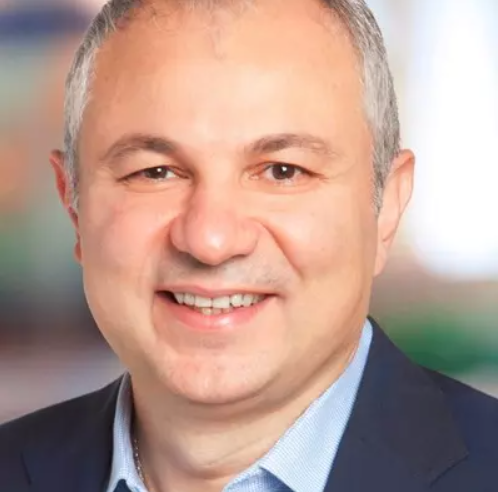
Mohamed Samir, an Egyptian national, serves as President for Procter & Gamble’s (P&G) Subcontinent and Middle East & Africa (MEA) operations. P&G is one of the world’s largest consumer goods companies, with a portfolio spanning beauty care, health and wellness, and home products. Samir’s role involves overseeing strategic market growth, product distribution, and consumer engagement in some of the fastest-growing markets globally.
10. Imran Ali Khan - Co‑Founder & CEO, Emerging Markets Property Group (EMPG)
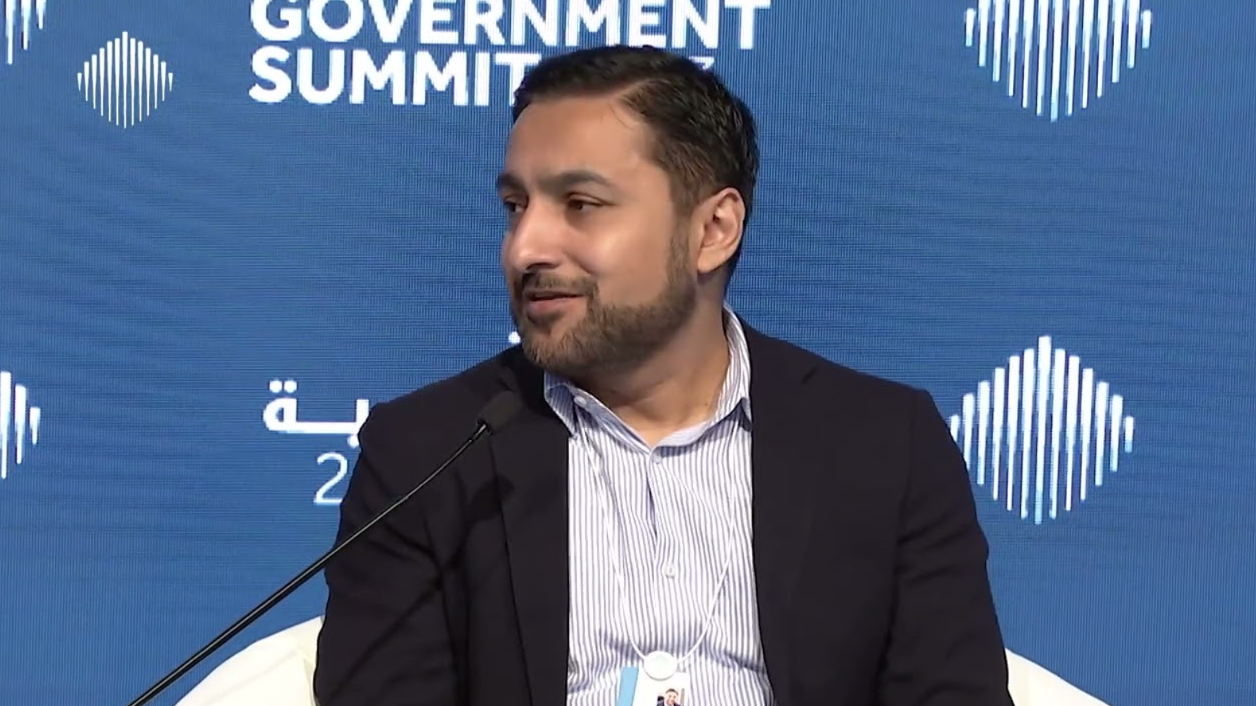
Imran Ali Khan is a Pakistani entrepreneur and the Co‑Founder and Chief Executive Officer of Emerging Markets Property Group (EMPG), the Dubai‑based technology group behind major real estate and classifieds platforms across emerging markets, including Bayut in the UAE, Zameen.com in Pakistan, and other portals in Asia and North Africa. Under his leadership, EMPG has expanded its footprint regionally and globally, and in 2020 completed a major merger with OLX Group, valuing the company at over $1 billion and solidifying its position as a leading digital marketplace operator across the Middle East, South Asia and beyond.
11. Takreem El Tohamy - GM, IBM Middle East & Africa
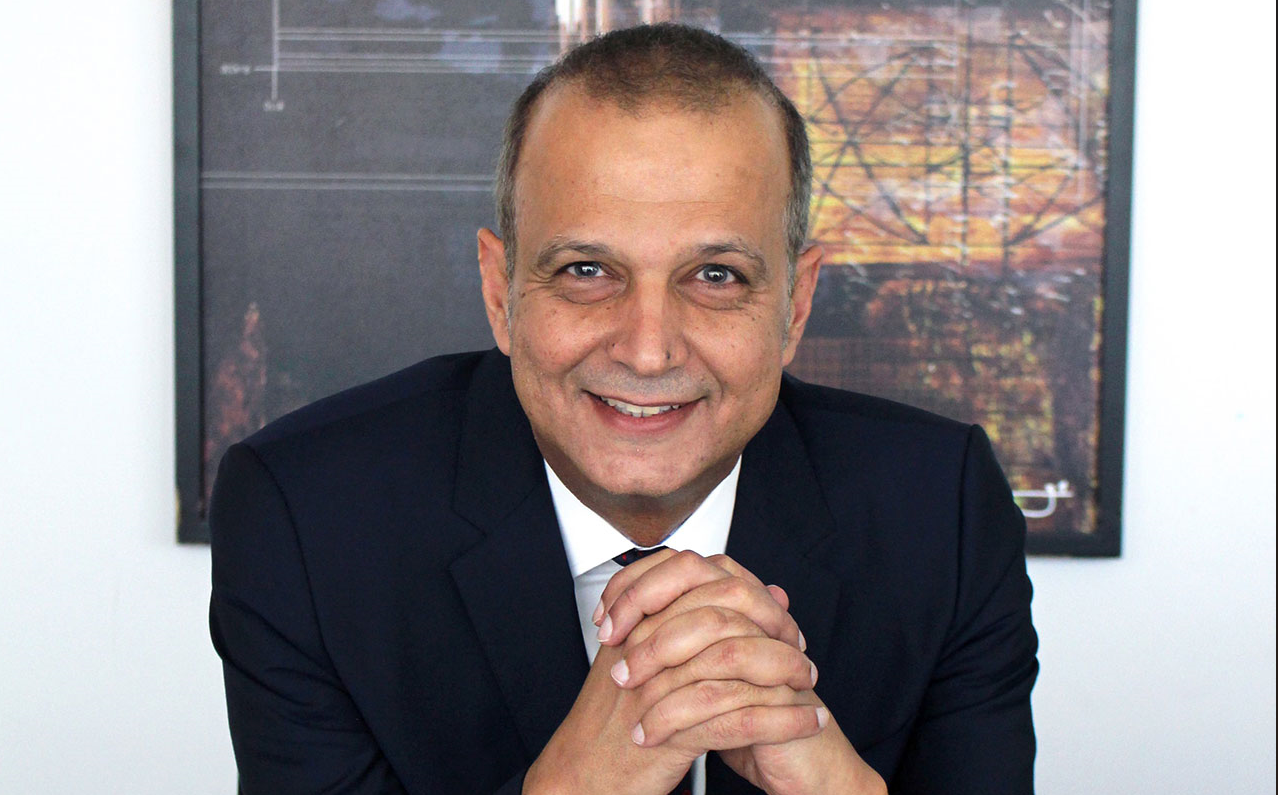
Another Egyptian executive on the list is Takreem El Tohamy, who serves as General Manager of IBM Middle East & Africa. IBM is a long-established technology company focused on enterprise IT solutions, cloud computing, and AI services. El Tohamy’s leadership role reflects how expatriate executives steer large tech firms in the MENAT region, guiding digital transformation initiatives for governments and enterprises alike.
12. Shayne Nelson - CEO, Emirates NBD
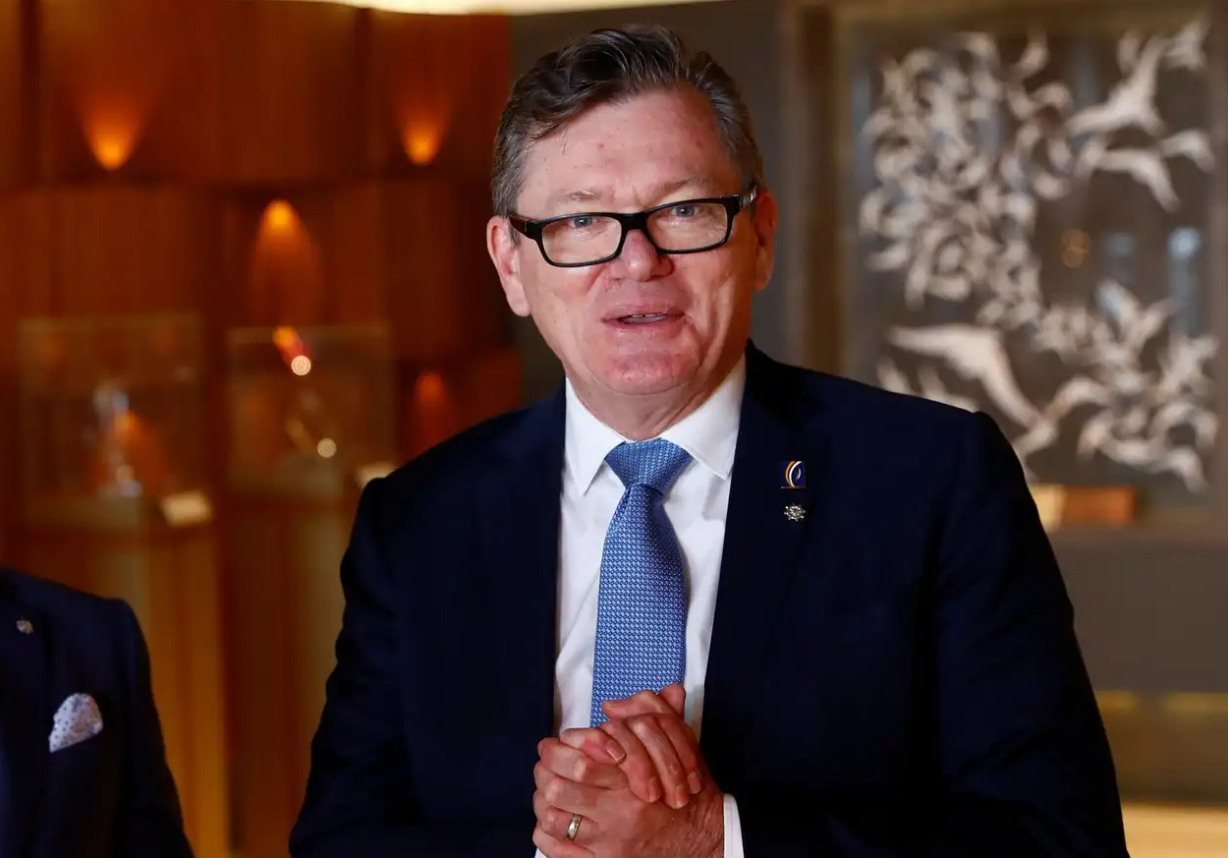
Shayne Nelson, an Australian national, is the Chief Executive Officer of Emirates NBD, one of the largest banking groups in the Middle East. The bank offers a wide range of financial products in retail banking, corporate finance, and asset management, playing a pivotal role in supporting economic growth across the UAE and beyond. Under Nelson’s direction, the bank has maintained strong regional performance and expanded digital banking services.
13. Dietmar Siersdorfer - CEO, Siemens Middle East
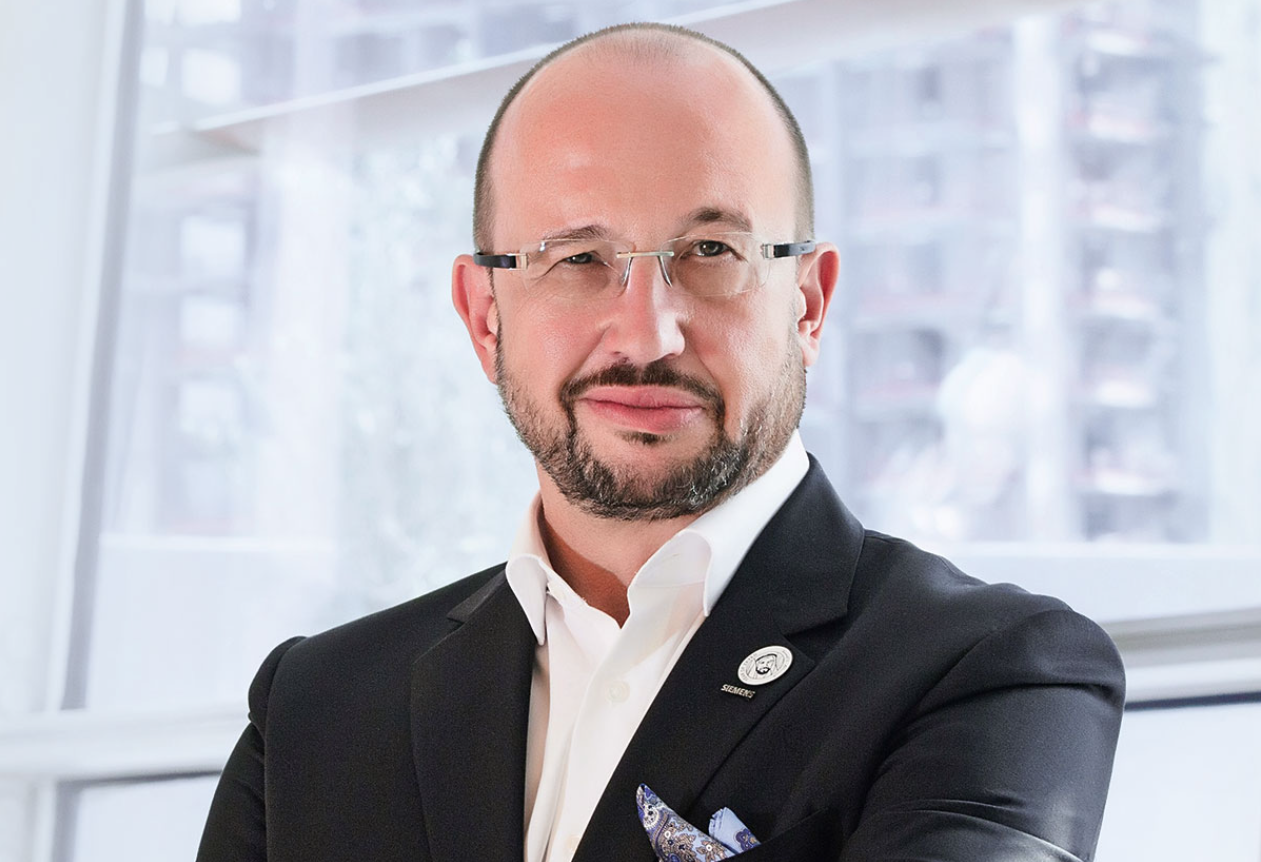
German national Dietmar Siersdorfer heads Siemens Middle East, the regional arm of the global engineering and automation conglomerate. Siemens operates across energy, infrastructure, healthcare, and manufacturing sectors. Siersdorfer’s leadership contributes to the firm’s regional strategy for sustainable infrastructure, smart cities, electrification and industrial automation, aligning with national development goals in the UAE and wider Gulf.
14. Sjoerd Leenart - Regional Head, JP Morgan Chase
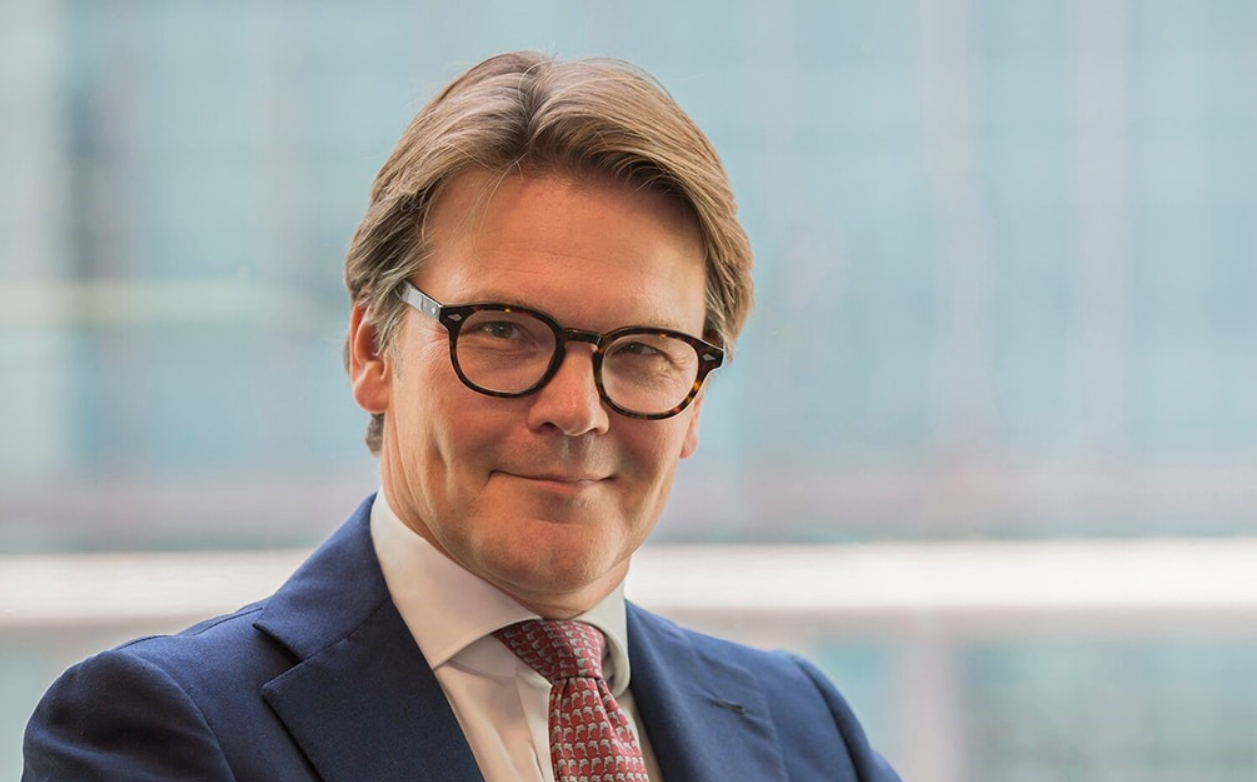
Sjoerd Leenart, a Dutch national, is Regional Head of J.P. Morgan Chase in the UAE, representing one of the world’s foremost financial institutions in the Middle East. J.P. Morgan’s presence spans investment banking, asset management and private wealth services, with Leenart’s leadership positioning the UAE as a critical node for international finance and capital flows in the MENA region.
What Makes These Expats Influential in the UAE
The professionals listed above reflect the diversity of sectors and nationalities represented in Dubai’s business landscape. According to Forbes Middle East, the “50 Most Influential Expats in the UAE” list includes individuals from more than 20 nationalities across 21 industries, highlighting how expatriates shape economic activity, governance and enterprise growth.
These leaders are not necessarily founders of startups, but many have driven major regional operations of multinational corporations or led large corporate entities that employ thousands, contribute to market growth, and influence strategic sectors.
Economic Impact of Expat-Led Businesses
While executives such as the ones above play visible roles in the UAE’s corporate ecosystem, other expats have built companies from the ground up or transformed niche sectors. For example, Ghassan Aboud, a Syrian entrepreneur based in the UAE, built the Ghassan Aboud Group, a diversified conglomerate active in automotive, logistics, media, and hospitality.
The common thread among these individuals is not their nationality but the scope of their contribution: from leading critical infrastructure (like aviation and banking) to expanding global brands locally, their careers explain how expatriate professionals and entrepreneurs have become integral to the UAE’s economic development.
Expat Entrepreneurs Driving Business Growth in Dubai
The success of expatriate entrepreneurs and leaders in Dubai explains the city’s role as a global business hub that supports growth across diverse industries. Enabled by market access, supportive regulations, and international connectivity, expat-led ventures have contributed to economic diversification and job creation. While individual outcomes vary, these examples illustrate how talent mobility and a business-friendly ecosystem can drive long-term development. As Dubai continues to compete for global expertise, expatriate participation will remain a key component of its evolving economic landscape.