
Remigration and the Changing Shape of Global Mobility
Remigration is becoming a common part of modern migration systems worldwide. It refers to the return of individuals to a previous country of residence after completing work, study, or long-term stays abroad. For expatriates, understanding remigration helps support informed planning in an increasingly structured global mobility landscape.
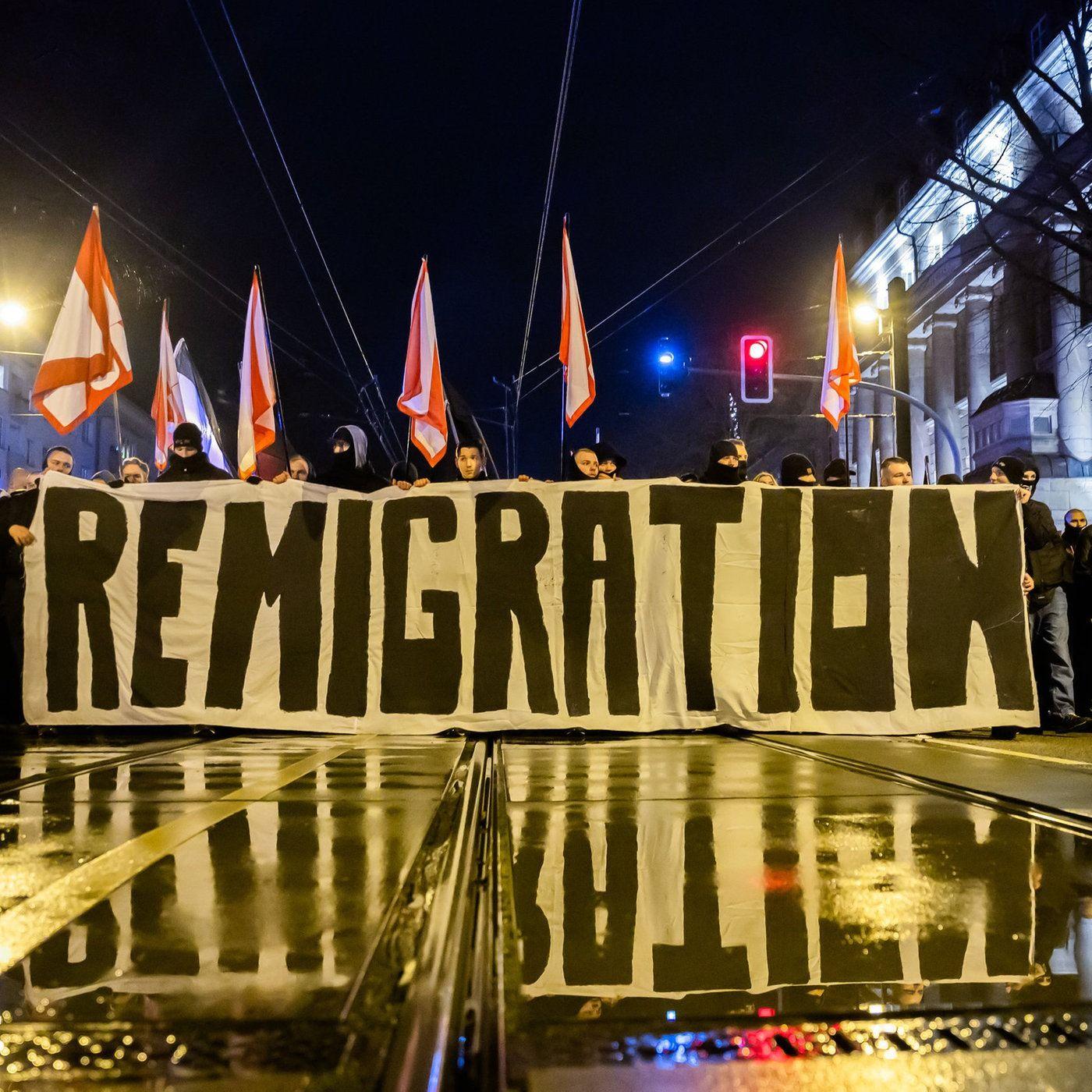
Global mobility has always been shaped by economic needs, labor demand, and government policy. As migration systems become more structured, a term appearing more frequently in international discussions is remigration. While it may sound unfamiliar to some readers, remigration is not a new concept. It refers to the return of individuals to a country where they previously lived or originated, often after completing a work assignment, business venture, or long-term stay abroad.
Today, governments and international organizations increasingly view remigration as a normal part of the migration cycle rather than an unusual or negative outcome. For expatriates, remote professionals, and globally mobile families, understanding how remigration fits into modern migration systems helps clarify how residency planning and international movement are evolving worldwide.
How Remigration Functions in Modern Migration Systems
Across regions, migration policies are becoming more organized and predictable. Many countries rely on foreign workers and international residents while maintaining clear legal frameworks that define how long individuals may stay and what happens when that period ends. Remigration plays a role in ensuring that these systems remain balanced and efficient.
In Europe, migration governance operates through a combination of national laws and regional coordination. Return procedures are built into residency systems and are applied when work permits, study visas, or temporary protections expire. In this context, remigration refers to legally structured return processes that operate alongside employment visas, permanent residency pathways, and family reunification programs.
In North America, migration systems place strong emphasis on visa compliance and employment authorization. Remigration is commonly used as a descriptive term for the return of individuals whose legal stay has concluded, as well as for voluntary return programs supported by government agencies. These processes function within existing immigration law and are designed to provide administrative clarity for both authorities and residents.
At the global level, international organizations continue to support voluntary return and reintegration initiatives. These programs help individuals return home with practical support such as job placement assistance, skills recognition, and access to local services. This approach reflects a broader understanding that migration is often circular, with individuals moving abroad for defined periods and returning when those opportunities conclude.
For expatriates, these developments highlight an important shift. International mobility is increasingly based on planned timelines rather than permanent relocation, allowing individuals to make informed decisions about career moves, family transitions, and future destinations.
Economic and Administrative Factors Driving Remigration
Several practical factors explain why remigration has become more visible in policy discussions.
One key driver is labor market planning. Many economies depend on international talent to fill specific roles in industries such as healthcare, construction, logistics, energy, and technology. Remigration frameworks allow countries to meet workforce demand while ensuring that residency systems remain aligned with economic needs.
Demographic management also plays a role. Governments use migration policies to balance population growth, workforce participation, and public service capacity. Clearly defined return processes help maintain that balance while preserving stability for legal residents and skilled professionals.
Advances in digital administration have further shaped modern migration systems. Online visa platforms, biometric records, and centralized residency databases make it easier for governments to manage entry and exit procedures. These tools improve transparency and reduce uncertainty for expatriates navigating residency changes.
International cooperation has expanded as well. Many countries now include return and reintegration provisions in bilateral labor and mobility agreements. These arrangements support orderly transitions and help individuals plan their return without disrupting professional or personal commitments.
For expats, these trends reinforce the importance of proactive planning. Understanding visa terms, renewal options, and exit requirements helps ensure that remigration is a smooth and predictable process rather than a disruptive one.
Remigration and Expat Residency in the United Arab Emirates
The United Arab Emirates provides a clear example of how remigration fits into a long-established expatriate residency model. The country hosts a large international population, with residency closely linked to employment, investment, or family sponsorship.
In the UAE, remigration aligns with existing residency rules rather than representing a new policy direction. Employment-based visas are issued for specific periods, and residents whose contracts end are required to transfer sponsorship, secure new employment, or depart within a defined grace period. This structure has been a standard part of the country’s residency system for many years.
Recent reforms have expanded long-term residency options for eligible individuals, including skilled professionals, investors, entrepreneurs, and retirees. These options provide greater stability for those who qualify, while clear exit procedures remain in place for individuals whose residency status concludes.
From an expatriate perspective, remigration in the UAE reflects administrative clarity and predictability. Digital government services allow residents to manage visa cancellations, job changes, and departures efficiently, helping ensure compliance with residency regulations while preserving future mobility opportunities.
A Practical Perspective for Expats Worldwide
As global mobility continues to evolve, remigration is best understood as a planning component within modern migration systems. It supports workforce flexibility, economic alignment, and clear residency transitions.
For expatriates worldwide, the message is straightforward. International mobility today is structured, transparent, and often cyclical. By staying informed and planning residency transitions carefully, expats can continue to navigate global opportunities with confidence in an increasingly connected world.