


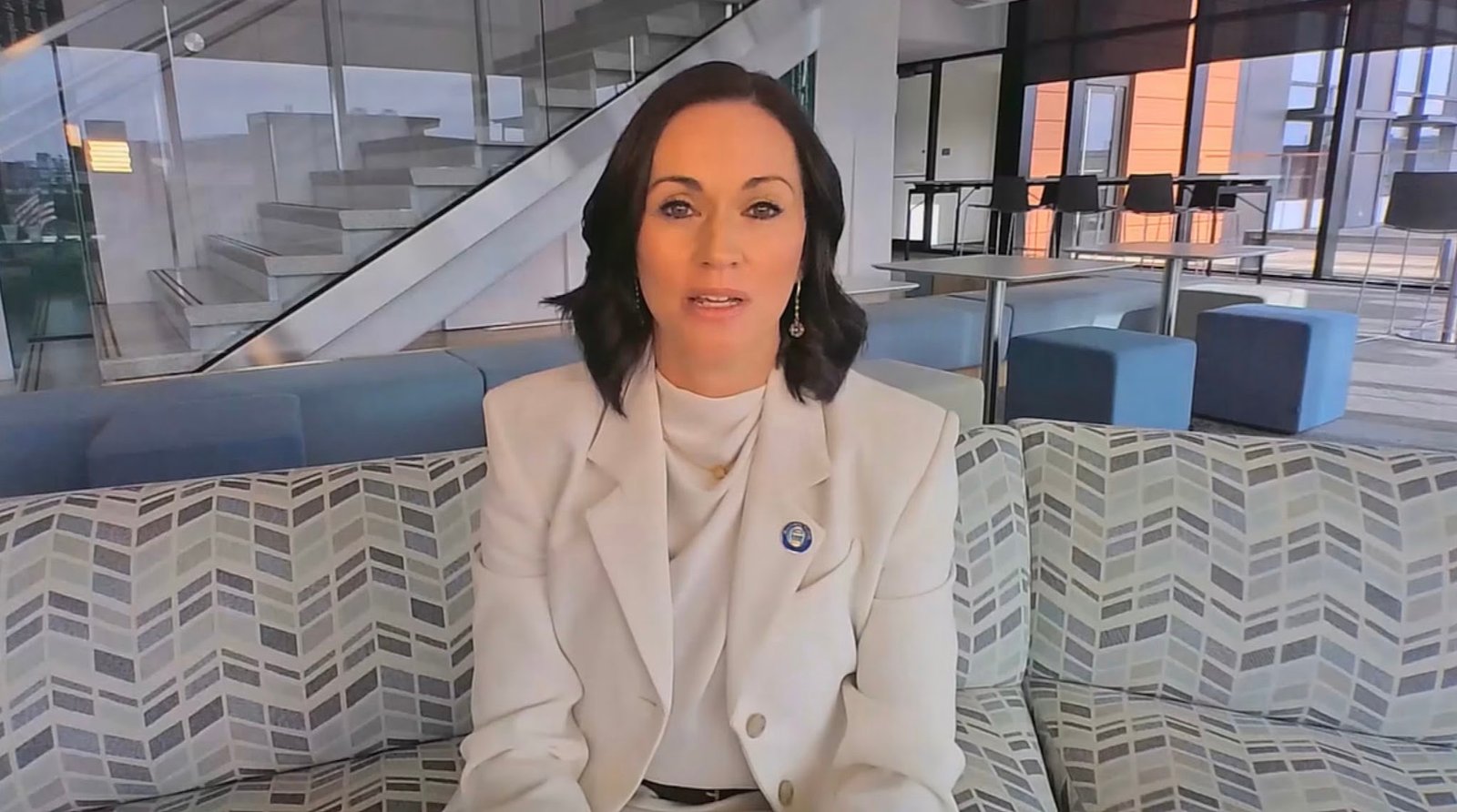
Dr. Jennifer Guerriero, a 43-year-old Harvard Medical School instructor and breast cancer researcher, has been diagnosed with the same type of cancer she has spent years studying. Her diagnosis followed a routine mammogram earlier this year, despite having no noticeable symptoms or detectable lump.
Guerriero, who directs a research laboratory at Brigham and Women’s Hospital in Boston, was diagnosed with hormone receptor-positive breast cancer in spring 2026. She underwent a double mastectomy in August and has since shared her experience to encourage women to undergo routine breast cancer screening.
Speaking to ABC News, Guerriero said her scientific knowledge had not prepared her for receiving her own diagnosis. She had spent years studying breast cancer biology, but experiencing the disease as a patient brought a different perspective to her work and personal life.
Guerriero said her cancer was discovered during an annual screening mammogram. She had not experienced symptoms and had not identified a lump before undergoing the examination.
According to her account, the screening detected the cancer before it became noticeable through physical examination.
Her surgeon told her that the lump might not have become detectable for another five years. Guerriero said waiting until that point could have resulted in fewer treatment options and a different prognosis.
The diagnosis led her to undergo a double mastectomy in August. She described feeling fortunate that the cancer had been detected early and that screening had provided an opportunity for earlier treatment.
Her experience has since become a central part of her efforts to raise awareness about breast cancer screening, particularly among women who may not recognize symptoms or consider themselves at risk.
Guerriero’s interest in cancer research began during childhood, following her grandmother’s breast cancer diagnosis.
She recalled that one of her earliest memories involved her grandmother being diagnosed with the disease. The experience prompted questions about why some cancer patients recovered while others did not. Those questions eventually influenced her decision to pursue a career in medical research.
For approximately 15 years, Guerriero has worked to understand breast cancer biology and investigate ways to improve treatment outcomes. Her research focuses on the interaction between the immune system and breast tumors, particularly how certain immune cells can contribute to cancer growth and resistance to treatment.
Her laboratory at Brigham and Women’s Hospital studies tumor-associated macrophages, immune cells that can create conditions that help cancer develop and resist treatment.
The research aims to identify strategies that could improve patients’ responses to immunotherapy and develop new therapeutic approaches for breast cancer.
Guerriero said her diagnosis has strengthened her motivation to advance research and find better treatments for patients.
Experiencing breast cancer as a patient has also changed Guerriero’s understanding of the research process.
Her laboratory studies breast tumor samples donated by patients to investigate cancer biology and develop potential treatments.
Following her own biopsies and surgery, she gained a deeper appreciation of the significance of tissue donations and the experiences of patients who contribute samples for scientific research.
She explained that each tissue sample represents a patient who has undergone a medical procedure and whose contribution can help researchers investigate the disease.
Guerriero said the experience reinforced the importance of patient participation in cancer research and strengthened her commitment to developing new therapeutic strategies.
Guerriero is sharing her diagnosis to encourage women to prioritize breast cancer screening. The United States Preventive Services Task Force recommends biennial mammograms for women aged 40 to 74 who are at average risk of breast cancer.
Women with a family history of breast cancer or other risk factors should discuss their individual screening needs with a healthcare professional.
Guerriero’s diagnosis demonstrates that breast cancer can be detected through screening before a noticeable lump develops.
She said her experience has motivated her laboratory to work harder and faster toward finding new ways to treat breast cancer patients.
Her story also highlights the connection between cancer research and patient care, showing how scientific knowledge and personal experience can contribute to efforts to improve treatment and early detection.