


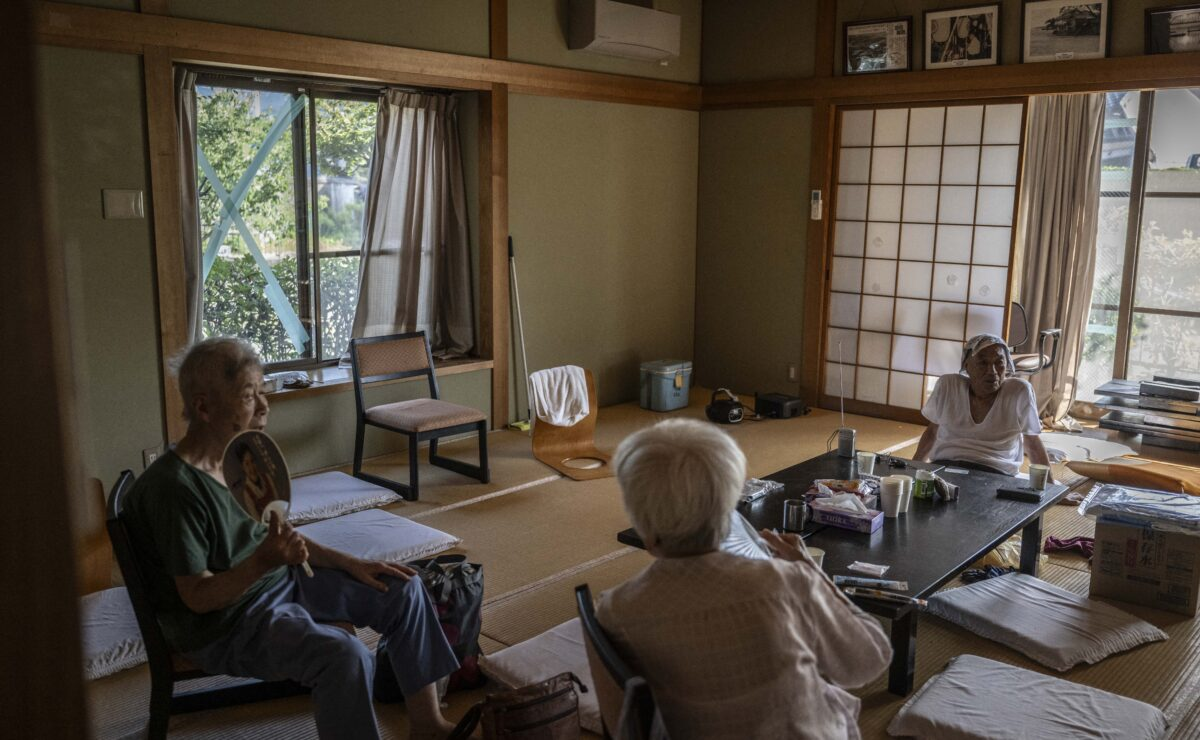
Japan now has more than 100,000 people aged 100 or older, a record driven largely by women.
Japan has reached a milestone unlike any in its history. For the first time, the number of people aged 100 or older has passed 100,000, cementing the country’s reputation as one of the longest-living nations on earth. The Ministry of Health, Labour and Welfare announced that the centenarian population climbed to a record 107,677 in September, an increase of almost 8,000 from the year before.
The figure is striking on its own, but the trend behind it is what makes it remarkable. This is the 56th consecutive year that Japan’s centenarian count has risen. When the government first began keeping track in 1963, there were just 153 people aged 100 or older in the entire country. That number crossed 1,000 in 1981, reached 10,000 in 1998, and has now multiplied many times over.
The milestone arrives as Japan prepares to mark Respect for the Aged Day, a national holiday honoring older citizens. Health Minister Kenichiro Ueno welcomed the news, telling reporters he was pleased that so many people were staying active and healthy for so long.
Why Japan Leads the World in Longevity
Japan has ranked among the world’s longest-living countries for decades. According to World Bank figures cited by CNN, average life expectancy in Japan stood at 84 years in 2024, compared with 79 in the United States. Scientists have long pointed to a combination of factors behind this longevity, including wholesome diets, active daily lifestyles, and an advanced healthcare system.
The gender gap within the numbers is significant. Women make up the overwhelming majority of Japan’s centenarians, accounting for around 88 percent of the total, or 94,298 individuals. This pattern mirrors a broader global reality in which women tend to outlive men, but in Japan the scale is especially pronounced.
The country also has a tradition of honoring those who reach the milestone. According to ministry data, people who turn 100 receive a silver-plated cup and a congratulatory letter from the prime minister. Another 54,294 citizens are expected to reach the age of 100 before the end of the fiscal year in March 2027.
The celebration of longevity comes with a harder reality. Japan has been dealing with a shrinking and aging population for years, and caring for so many elderly citizens places growing pressure on the country’s economy and healthcare system.
The government has estimated it will need about 2.4 million healthcare workers to support the elderly in 2026, up from 2.1 million in 2024. To help fill the gap, Japan has increasingly turned to recruiting foreign care workers. Their numbers under a skilled-worker visa program reached roughly 66,000 last year, and the government plans to expand that figure substantially through new frameworks.
The distribution of centenarians across the country also tells a story about modern Japanese life. Shimane Prefecture recorded the highest density of centenarians for the 14th year running, followed by Kochi and Tottori. These are largely rural areas, where older residents remain while younger generations move to cities such as Tokyo and Osaka in search of work. The result is a countryside that skews older and cities that continue to draw the young.
Japan’s oldest living person is Fuyo Kishimoto, a 114-year-old woman living in Kyoto who was born in December 1911. She took on the title after the death of another woman aged 115 in August 2026.
Japan’s experience offers an early look at challenges many other countries are likely to face. Nations such as South Korea and Singapore already report similarly long life expectancies and are grappling with the same mix of longer lives, fewer births, and shrinking workforces.