


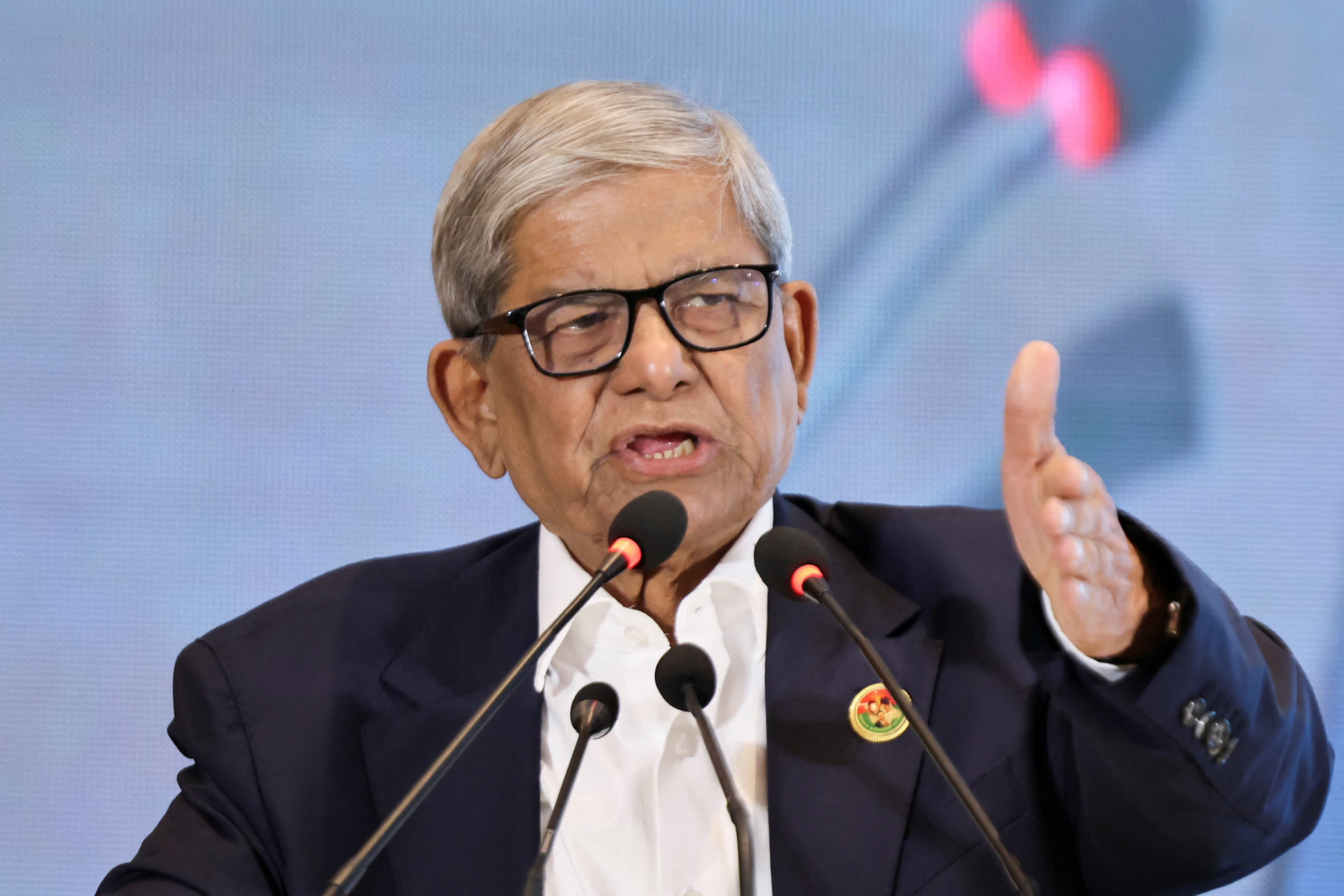
Bangladesh’s parliament has elected ruling party veteran Mirza Fakhrul Islam Alamgir as the country’s 23rd president.
Bangladesh’s parliament has elected Mirza Fakhrul Islam Alamgir, a senior figure in the ruling Bangladesh Nationalist Party, as the country’s new president. The 78-year-old was declared the winner on Thursday after a parliamentary vote, and he is the country’s 23rd head of state.
Alamgir secured 255 votes, defeating Oli Ahmed, an 84-year-old retired army colonel and chairman of the Liberal Democratic Party, who received 88 votes. Ahmed was the candidate of an 11-party opposition alliance led by the Jamaat-e-Islami. Chief Election Commissioner A.M.M. Nasir Uddin announced the result. Of the parliament’s registered members, 343 cast their ballots. Alamgir was expected to be sworn in on Friday evening at the Darbar Hall of Bangabhaban.
The vote marked the first contested presidential election in Bangladesh in 35 years. Since 1991, presidential candidates had been elected unopposed, with no rival entering the race. The presence of two candidates this time made it a rare competitive ballot for the office.
The presidency in Bangladesh is largely ceremonial. The officeholder serves as head of state and commander-in-chief of the armed forces, while executive authority rests with the prime minister and the cabinet. The office still carries constitutional responsibilities, including a role during political crises, and functions such as appointing the prime minister and the chief justice, generally exercised on the advice of the government.
The election was triggered by the resignation of former President Mohammed Shahabuddin, who stepped down in July, citing serious health problems, before completing his five-year term. Shahabuddin had been elected in 2023.
Mirza Fakhrul Islam Alamgir Political Career and BNP Role
Alamgir is one of the BNP’s longest-serving leaders. He served as the party’s secretary-general from 2016 until he was nominated for the presidency, at which point he resigned the post and his place on the party’s National Standing Committee. He became one of the opposition’s most prominent voices during earlier years and faced repeated arrests and a series of legal cases.
According to Al Jazeera, Alamgir began his career as a teacher after studying economics at the University of Dhaka. He joined the BNP in the early 1990s and rose steadily through its ranks to become one of its best-known national figures. Over his career, he held several ministerial posts, most recently serving as local government minister.
The BNP and its allies hold a two-thirds majority in parliament after winning the general election earlier in the year, which returned the party to power and brought Tarique Rahman to the office of prime minister. Prime Minister Rahman congratulated Alamgir on his victory following the vote.