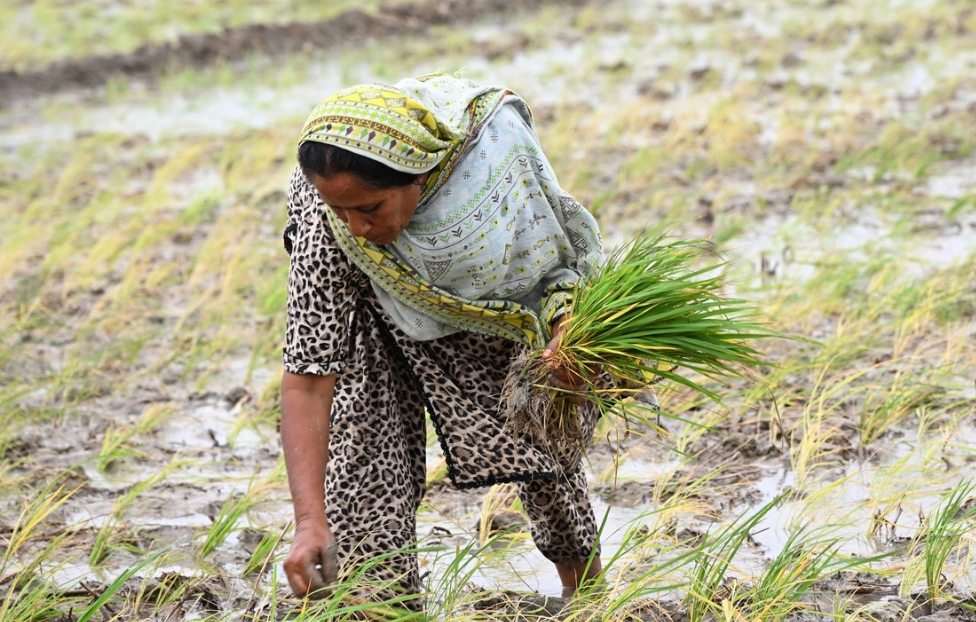
Australian-supported research is helping rural communities in Sindh build more resilient livelihoods.
Here is a different way to do climate aid. Instead of designing fixes far away and shipping them in, hand the wheel to the people who live with the problem. That is the idea behind Australian-supported research now underway in rural Sindh, Pakistan’s southern province, where farming families are working out how to adapt to a changing climate and earn a steadier living while they do it.
Australia’s High Commissioner to Pakistan, Timothy Kane, put it plainly. According to the Associated Press of Pakistan, he said that when communities lead, climate solutions work better. The projects, he explained, are built with communities at the center, covering everything from adapting farming practices to exploring new sources of income.
Kane said Australia remains committed to partnerships in Pakistan that listen, learn and deliver real impact in the face of climate challenges.
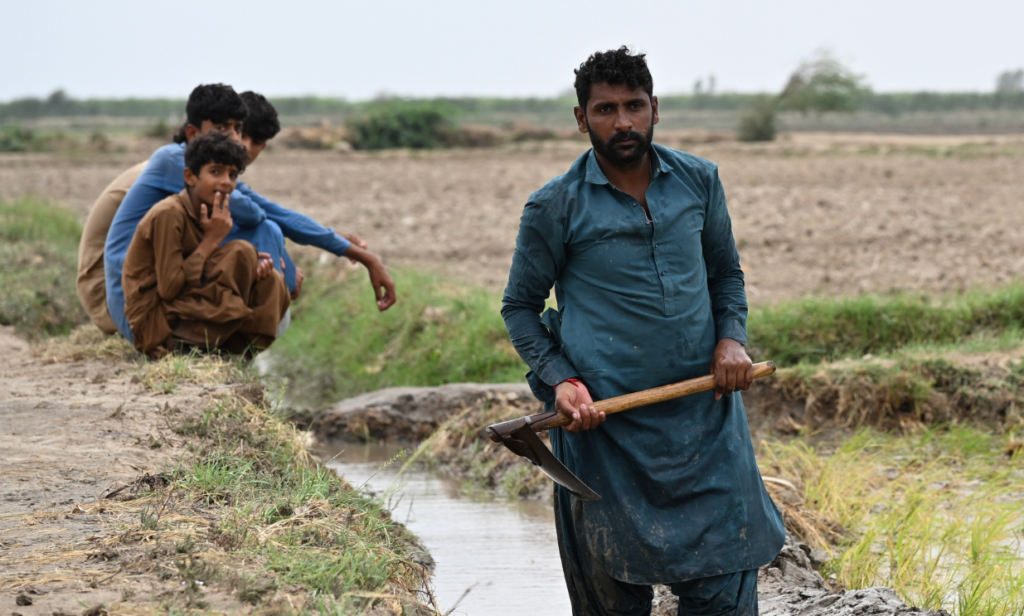
Climate Research Helps Sindh Farmers Adapt
Rural Sindh is among the areas most exposed to Pakistan’s climate pressures. The province faces erratic rainfall, extreme heat and growing water stress, and farming families tend to feel those shifts first. A late monsoon or a prolonged hot spell can affect a household’s food supply, its income and its stability for the year ahead.
Kane said the research is aimed at helping communities build more resilient livelihoods, and it works on two fronts. The first is farming itself, adjusting how and what people grow so harvests can better withstand changing conditions. The second is income, helping families develop more than one way to earn so that a single poor season does not remove their only source of support.
Diversifying income in this way is widely cited by researchers as one of the more effective ways for rural households to cope with climate shocks. A household that relies on a single crop is more exposed than one with several income streams to fall back on.
Community-Led Climate Solutions Build Lasting Resilience
A defining feature of the work is that it is shaped around what communities themselves identify as their needs, rather than solutions designed externally. Local knowledge of the land, the seasons and past experience is treated as part of the process.
Kane described Australia’s approach as one that listens and learns before it acts. Projects built with local input are generally more likely to continue once outside support ends, since the people involved have helped design and adopt them.
The research fits within a longer partnership between Pakistan and Australia on agriculture and food security. Australia has worked for years on climate-resilient farming across the region, drawing on its own experience of agriculture in hot, dry and variable conditions.
For the communities of Sindh, this project is designed to help farming families protect their harvests, broaden their sources of income and take part in shaping how they respond to a changing climate.
What are your thoughts on this? Let us know in the comments below!