



The research on sleeping in to make up for a rough week is more divided than the headlines suggest, and the good news is real.
You already know the routine. Five nights of not quite enough, running on coffee and momentum, telling yourself Saturday will sort it out. Then Saturday arrives, you sleep until eleven, and you spend the rest of the day feeling oddly worse than you did on Thursday.
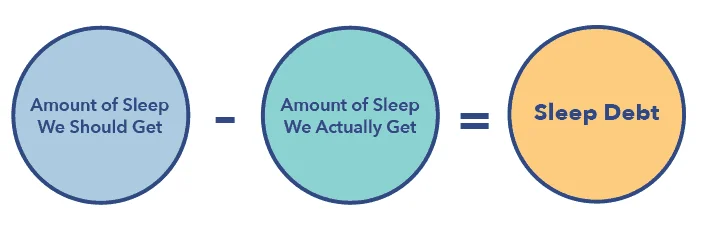
Here is the useful part. Sleep debt is not a character flaw and it is not permanent. It is simply the gap between the sleep you need and the sleep you get. According to the Cleveland Clinic, most adults need between seven and nine hours a night, so running on six for a week leaves you roughly seven hours short. Up to one in three adults are not getting enough on a regular basis, which means if this is you, you are firmly in the majority.
What the research offers is not guilt. It is a clearer picture of what actually works, and most of it is easier than you would expect.
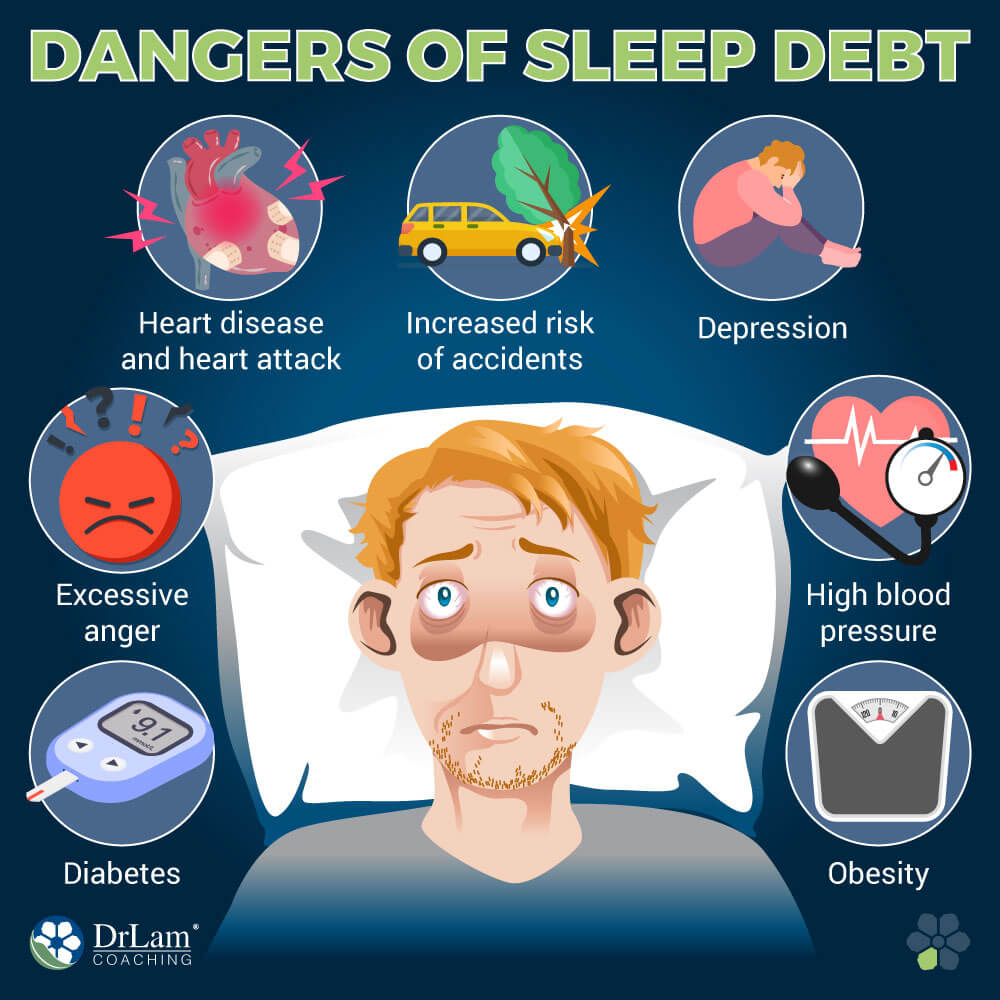
What Sleep Debt Really Is
Think of it in two categories, because they behave completely differently.
Acute debt is one or two rough nights. A deadline, a flight, a sick child. This is genuinely recoverable. A single extended night followed by a return to your normal schedule typically restores function within a few days.
Chronic debt is weeks or months of consistently sleeping under what your body needs. This is the one that does not clear on a weekend, and knowing the difference stops you from either panicking over a bad Tuesday or ignoring a bad six months.
Most people who feel permanently tired are dealing with the second kind while treating it like the first.
What the Research Found
The most cited study on the sobering side comes from the University of Colorado Boulder, published in Current Biology. Participants slept five hours a night for five days, then had two nights of unrestricted recovery. Their insulin sensitivity did not bounce back, they ate more, and by the end their metabolic markers were no better than the group that got no recovery sleep at all.
Cognitive recovery takes longer than most people assume. Research in PLoS ONE found that after ten nights restricted to six hours, participants needed seven consecutive nights of eight hours or more to return to baseline performance. Two weekend nights restored how alert people felt, but not how well they actually performed.
That last finding is the genuinely useful one. It explains why you can feel fine and still be operating below your own normal, and why the fix is not a bigger weekend.
The Encouraging Half of the Evidence
This is where it turns, and this part rarely makes headlines.
- People who catch up on weekends consistently fare better than people who stay sleep-deprived throughout. Sleeping in is not the problem.
- One study associated weekend catch-up sleep with reduced low-grade inflammation.
- Another found a protective effect in adolescents, a group that almost never gets enough.
- More recent work has linked compensatory weekend sleep to a lower risk of heart disease in people short on sleep during the week.
A review in Sleep and Breathing brought both halves together. Weekend catch-up delivers real short-term recovery, improving mood, reducing fatigue, and restoring some cognitive performance. What it does not do is function as a repayment plan. The reviewers called it transient relief, and recommended consistent sleep timing as the thing that actually moves the needle.

Five Things That Actually Help
- Protect the wake-up time, not the bedtime. Irregular timing is its own stressor. A steady wake time anchors everything else, and it is far easier to control than when you fall asleep.
- Cap the weekend lie-in at about an hour or two. You still get the mood and fatigue benefits without shifting your body clock so far that Monday feels like jet lag.
- Add twenty minutes on weeknights rather than four hours on Sunday. Small consistent gains outperform dramatic corrections, and they compound quietly.
- Treat a genuinely bad night as recoverable. One extended night and a return to routine handles it. Do not turn a single rough night into a week of anxious over-correction.
- Give chronic debt real time. If you have been short for months, the research suggests a stretch of consistent full nights, not one heroic weekend. Give it a couple of weeks before judging the result.
The point is not to sleep perfectly. It is to stop treating the weekend as a settlement date where five short nights get cancelled by two long ones. Consistency is doing the heavy lifting, and consistency is a much lower bar than perfection.
If poor sleep is persistently affecting your mood, health, or daily functioning, a qualified doctor can help identify what is actually driving it.
Follow us for more updates and news!


