


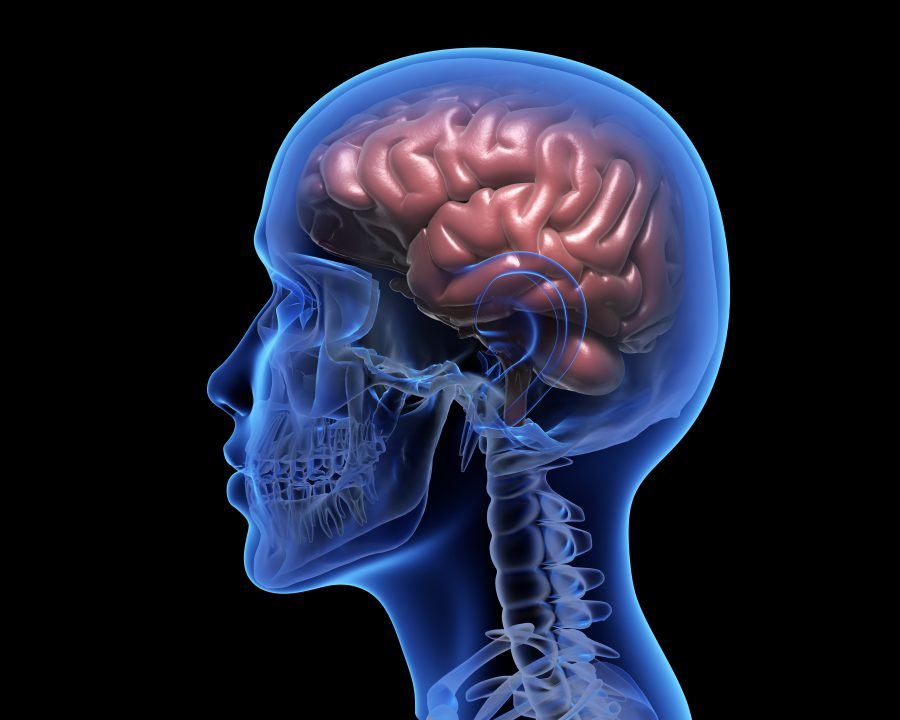
Recent advances in neuroimaging have led scientists to identify a previously unobserved fluid pathway in the human brain, described as a potential “drain” involved in waste clearance. This discovery builds on existing knowledge of brain fluid dynamics and adds new anatomical detail to how the central nervous system may remove metabolic byproducts.
Discovery of a New Fluid Pathway
The finding centers on observations of fluid movement near the middle meningeal artery, a blood vessel located within the protective layers surrounding the brain. Using high-resolution magnetic resonance imaging (MRI), researchers detected a distinct pattern of slow-moving fluid in this region. The flow differed from blood circulation in both speed and behavior, indicating that it is part of a separate system rather than the vascular network.
This fluid movement showed characteristics consistent with lymphatic drainage. Unlike blood, which circulates rapidly through arteries and veins, this fluid moved slowly and appeared to follow a different pathway, suggesting a role in clearing waste from brain tissues.
Background: Brain Waste Clearance Systems
For many years, the brain was believed to lack a conventional lymphatic system. This view began to change with the discovery of lymphatic vessels in the meninges, the membranes that surround the brain. A key component of brain waste removal is the glymphatic system. This system enables cerebrospinal fluid (CSF) to circulate through brain tissue, exchanging with interstitial fluid and carrying away metabolic waste. Research has shown that this process becomes more active during sleep, when the spaces between brain cells expand and allow greater fluid movement.
Role of the Newly Identified “Drain”
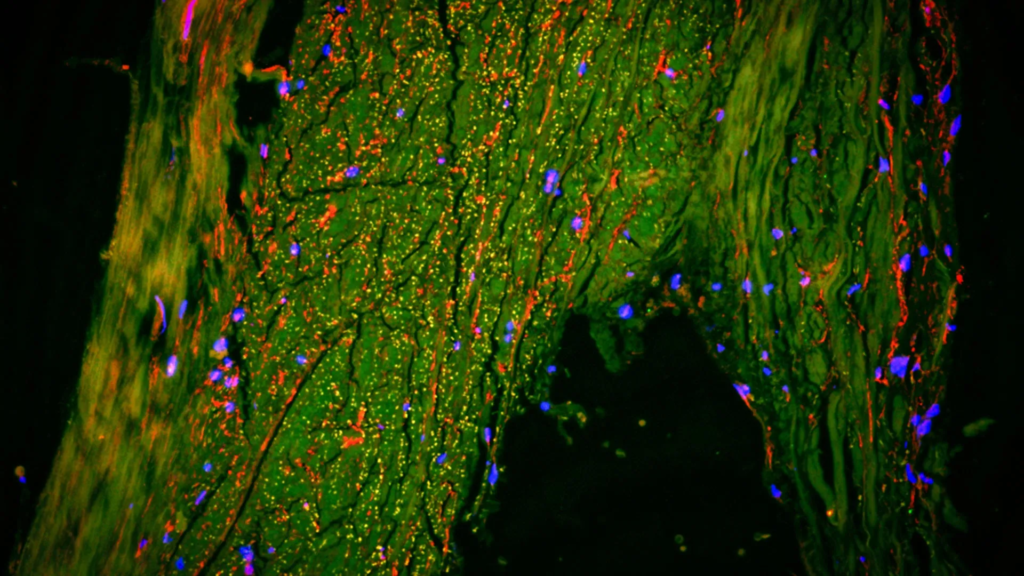
The newly observed pathway near the middle meningeal artery appears to function as a structured route within this broader clearance network. Researchers have described it as a potential drainage hub where fluid may collect or be directed toward exit pathways.
Imaging data suggest that this route may connect with meningeal lymphatic vessels, which are responsible for transporting waste-laden fluid out of the cranial cavity. This indicates that brain waste clearance may involve more organized and region-specific pathways than previously understood.
Methods and Observations
The study relied on advanced, non-invasive MRI techniques capable of tracking fluid dynamics in living human subjects. This approach allowed researchers to directly observe fluid flow patterns rather than relying on indirect measurements or animal models. Measurements showed that the fluid moved significantly slower than blood and did not follow the pulsatile rhythm associated with heartbeats. These findings helped distinguish the observed flow from vascular circulation and supported its identification as part of a separate clearance system.
Relevance to Neurological Function
Efficient waste removal is essential for maintaining normal brain function. The accumulation of certain proteins, such as beta-amyloid and tau, has been associated with neurodegenerative conditions including Alzheimer’s disease.
While the discovery does not establish direct clinical applications, it provides additional anatomical detail about how waste may be transported and removed from the brain. Understanding these pathways is important for studying how disruptions in clearance mechanisms might relate to neurological conditions.
Expanding Understanding of Brain Physiology
Researchers have noted that the brain’s waste clearance system likely consists of multiple interconnected components, including the glymphatic system, meningeal lymphatic vessels, and this newly identified fluid pathway.
The identification of this “drain-like” structure represents an incremental step in mapping these systems. It highlights the role of modern imaging technologies in revealing previously undetectable biological processes. Further research is required to determine how these pathways interact and how their function may vary under different physiological or pathological conditions.
The discovery of a fluid pathway near the middle meningeal artery adds new detail to the understanding of how the brain clears waste. By identifying a potential drainage hub within the brain’s protective layers, researchers have expanded current knowledge of neural fluid dynamics. Ongoing studies will continue to investigate how this pathway integrates with existing systems and what role it may play in overall brain health.